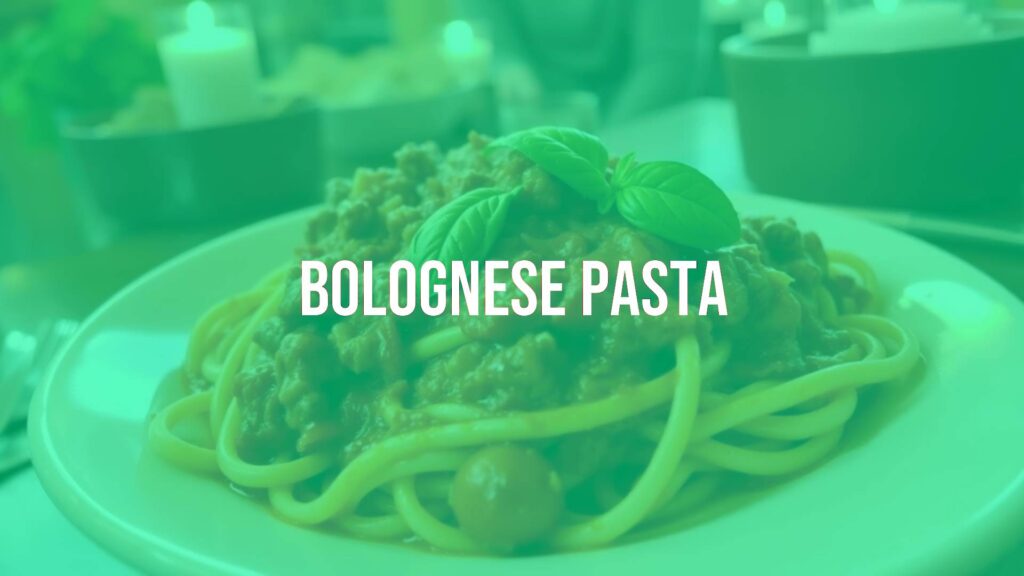
Bolognese pasta is a classic comfort food that’s enjoyed in many parts of the world. At its simplest, Bolognese pasta is made with a thick, slow-cooked meat sauce, usually served over certain types of pasta. While many people think of “Spaghetti Bolognese,” especially in places like the U.K. where it’s called “spag bol,” the real Italian version, called ragù alla Bolognese, has its roots in Bologna, Italy and is a bit different than what you might expect.
Unlike a basic meat and tomato sauce, Bolognese has layers of flavor that come together through slow cooking. The longer you cook it, the better it tastes, and it often tastes even richer the next day. The sauce stands out because of its deep, savory taste, showing that sometimes, letting something cook slowly brings out the best results.

What Is Bolognese Pasta?
Bolognese pasta is an Italian dish featuring pasta with a meat sauce that cooks slowly. This sauce, called ragù alla Bolognese, gets its deep flavor from a mixture of chopped vegetables (called soffritto), different kinds of minced meat, and sometimes milk or cream, wine, and a little tomato. It’s filling and warming, and it’s now cooked in homes all over the world.
While many people make a quick and heavy-on-tomato meat sauce and call it Bolognese, the real version is more about the meat and less about the tomatoes. The key is cooking it for a long time to bring out the best flavors using very simple ingredients.
How Is Bolognese Pasta Different from Other Pasta Dishes?
The main difference with Bolognese pasta is its sauce. Instead of a fast marinara or a quick meat sauce, Bolognese is a type of ragù-a meat sauce that’s slower and richer. It’s unique to Bologna and isn’t just ground beef in tomato sauce. The authentic version starts with soffritto (onion, celery, carrots), mixed meats like beef and pork, sometimes veal, and includes dairy and wine.
Other pasta dishes, like pasta with meatballs or a simple tomato sauce, are much quicker to make. True Bolognese can take hours-anywhere from an hour to even six hours-to cook, making the sauce thick and hearty. It sticks best to wide, flat noodles and isn’t watery at all.
The History of Bolognese Sauce
Bolognese sauce comes from Bologna, a city in the Emilia-Romagna area of Italy. The idea of slow-cooked meat sauce goes back hundreds of years. The first recipe similar to Bolognese we know today appears to have been written down in the late 1700s. The sauce became popular in its current form during the 1800s and early 1900s.
Traditional Bolognese uses a lot of meat, with tomatoes only added in small amounts. Milk or cream is often added to soften the meat and to cut down on the tartness of the tomatoes and wine. As Italian food became popular all over the world, the recipe has changed in some places, often being made simpler or suited to local tastes. For example, the “Spaghetti Bolognese” seen in English-speaking countries is usually not the same as the Italian one, which is meant to be eaten with broad, flat noodles like tagliatelle.
Key Ingredients in Bolognese Pasta
The main taste of Bolognese pasta comes from its simple but important ingredients. While there are different ways to make it, you’ll always need certain basics to get that deep, rich flavor. The quality of your ingredients really makes a difference.
Each ingredient-from the aromatic vegetables to the meat and dairy-helps build layers of flavor in the sauce. Knowing what each part adds can help you make a great Bolognese sauce at home.
Classic Ingredients for Traditional Bolognese
Bolognese sauce starts with soffritto, which is onion, celery, and carrots chopped finely and gently cooked in olive oil or butter until soft. Garlic is often added for more flavor. The meat part is usually a mix of ground beef and pork or veal. Some recipes also include pancetta (Italian bacon) for extra savoriness.
Crushed tomatoes or sometimes tomato paste add some sweetness and acidity, but don’t overpower the dish. Whole milk is used to make the sauce creamy and to soften the meat. A dry red wine is usually added for extra taste; the alcohol cooks away, but the flavor stays. Typical herbs include bay leaf, oregano, and sometimes a bit of nutmeg. Salt and freshly ground black pepper are needed for the right balance.

| Key Ingredients | Purpose |
|---|---|
| Onion, Celery, Carrots (Soffritto) | Flavor base |
| Ground beef and pork (or veal) | Main flavor and protein |
| Pancetta (optional) | Adds saltiness and richness |
| Crushed tomatoes or tomato paste | Sweetness and acidity |
| Whole milk | Softens meat, creamy texture |
| Dry red wine | Acidity and depth |
| Bay leaf, oregano, nutmeg | Aromatic seasoning |
| Salt, black pepper | Final seasoning |
Common Variations and Additions
Many people like to change things up to suit their tastes or what they have at home. Mushrooms (like cremini or baby bella) add an earthy flavor if you chop them up with the vegetables. If you like a bit of heat, toss in a little crushed red pepper.
If you want to lighten the dish, you can use ground turkey instead of the usual meats. Dairy-free options like coconut milk can stand in for whole milk, but will change the taste and feel. For extra flavor, some cooks add a piece of Parmesan cheese rind while the sauce stews, then remove it before serving. Fresh basil or parsley can be stirred in at the end for a fresh green note.
Step-by-Step Guide to Making Bolognese Pasta
Making Bolognese pasta may take some patience, but the steps are very manageable. It’s mostly about slowly building flavor, and the results are worth the wait. Here’s a basic guide to help you make this dish from start to finish.
Helpful Equipment
- Large heavy pot or Dutch oven (for even heating and simmering)
- Wooden spoon (for breaking up meat and stirring)
- Knife and cutting board (for chopping the vegetables)
- Food processor (optional, for quick mincing)
- Garlic press (optional)
- Large pot for cooking pasta
- Colander for draining pasta
Instructions for Making Bolognese Sauce
- Heat olive oil (or butter) in your large pot over medium. Add finely chopped onion, celery, and carrots (the soffritto) and sauté until soft and translucent, about 8-10 minutes.
- Add in minced garlic and cook for another minute.
- Turn the heat up a little and add ground meat (beef/pork/veal), seasoning with salt and pepper. Break the meat up and cook until brown and crumbly. If you want, drain off some fat for a leaner sauce.
- Stir in the milk and simmer until it’s almost gone, making the sauce creamy.
- Pour in the red wine, cook until it mostly evaporates, scraping the pan to get the flavor from the bottom.
- Stir in crushed tomatoes, tomato paste, bay leaf, oregano, and nutmeg. Bring just to a boil, then lower the heat, cover loosely, and simmer. Let it cook at least 30 minutes, but 1-2 hours (or even longer) will develop the best flavor. Stir once in a while and check for sticking.
- When ready to serve, remove the bay leaf.

The Best Pasta Shapes to Serve with Bolognese
In Italy, Bolognese sauce is always served with wide, flat noodles so the thick sauce can hold on. Tagliatelle is the most traditional, but pappardelle and fettuccine are also good.
- Tagliatelle: wide, flat egg noodles
- Pappardelle: even wider than tagliatelle
- Fettuccine: similar, slightly thinner
- Penne or rigatoni: tube shapes that catch the sauce
Fresh pasta is especially tasty if you can get it, as it absorbs the sauce well and cooks quickly.
Tips for Great Texture and Taste
- Slow cooking is important. Let the sauce simmer for 1-2 hours, or longer. This softens the meat and blends the flavors.
- Stir the sauce every now and then to keep it from sticking and to cook it evenly.
- Mix cooked pasta with the sauce in the pot, not just on the plate. This helps the sauce cling to the noodles. If the sauce is a little thick, add some saved pasta water to loosen it.
- Taste your sauce as it cooks and add salt, pepper, or fresh herbs if needed.
Serving Bolognese Pasta
Bringing your Bolognese pasta to the table is about more than putting food on a plate-it’s about rounding out a complete and enjoyable meal. The right sides and toppings make the dish even better.
Best Sides and Toppings
- Salads: A simple green or garden salad with vinaigrette pairs well, or try a Caesar salad for something heartier.
- Bread: Garlic bread, garlic knots, or slices of focaccia are perfect for dipping in any extra sauce.
- Toppings: Freshly grated Parmesan (not the pre-packaged kind) is a standard finishing touch. Add some chopped parsley or basil for color and freshness. Some people like a spoonful of ricotta for creaminess.

Drinks to Go With Bolognese Pasta
- Red wine: Dry reds like Chianti, Barolo, Sangiovese, Pinot Noir, Merlot, or Cabernet Sauvignon match well with the meaty sauce.
- Other drinks: Sparkling water with lemon or a cold, light beer is also good. For non-alcoholic choices, try iced tea or fruit water.
Nutrition Facts for Bolognese Pasta
If you’re watching your diet, or just want to know what’s in your food, here’s an overview. The nutrition in Bolognese pasta depends a lot on the ingredients and serving size.
| Serving Example | Calories | Protein | Carbs | Fat | Fiber |
|---|---|---|---|---|---|
| Recipe 1 | 369 kcal | 21g | 46g | 11g | 3g |
| Recipe 2 | 510 kcal | 39.9g | 65g | 21.7g | 5g |
| Recipe 3 | 734 kcal | 40.9g | 53.3g | 39g | 4g |
Bolognese pasta gives you plenty of protein from the meat. Carbs mostly come from the pasta, and fat levels will depend on your choice of meat and if you drain fat after browning. There are also vitamins and minerals from the vegetables and tomato.
Modifications for Various Diets
- Lower fat: Choose lean ground meat or try turkey for less fat.
- Dairy-free: Skip the milk or swap for coconut or almond milk, but the texture will change.
- Vegetarian/Vegan: Use mushrooms, lentils, or plant-based meat instead of animal meat, and switch to plant-based milks. Add more veggies for extra nutrition.
Storing and Reheating Bolognese Pasta
Bolognese sauce is great for making ahead because leftovers taste even better, and it’s easy to store and reheat.
How to Store Leftovers
- Keep leftover sauce (not mixed with pasta) in a sealed container in the fridge for up to 3 days.
- If you’ve already mixed sauce and pasta, eat within 1-2 days for the best texture.
- It’s best to store the sauce and pasta separately and mix them just before eating.
- Let the sauce cool before refrigerating to avoid extra moisture and to keep it safe.
Freezing and Meal Prep Tips
- Freeze Bolognese sauce (without pasta) in airtight containers or plastic freezer bags for up to 3 months.
- Split sauce into smaller portions for easy reheating later.
- You can make the sauce a few days in advance and store in the fridge if you prefer not to freeze it.
Best Ways to Reheat
- Warm refrigerated sauce on the stovetop over medium-low, adding water or milk if it’s too thick.
- Use a microwave, heating in short bursts and stirring often until hot.
- For frozen sauce, thaw overnight in the fridge then reheat as above. If you need it quickly, gently heat from frozen on low heat, adding a bit of water or broth.
- Always make sure it’s piping hot before eating for safety.
Frequently Asked Questions about Bolognese Pasta
Is Bolognese Sauce Just Meat Sauce?
Bolognese is a type of meat sauce but not all meat sauces are Bolognese. Meat sauces can be made fast and have more tomato. Bolognese always includes soffritto (onion, celery, carrots), dairy, and wine, and is cooked slowly for a long time.
What Pasta Is Best for Bolognese?
The best pasta shapes for Bolognese are wide and flat-tagliatelle, pappardelle, and fettuccine-because they grip the thick sauce. Tube shapes like rigatoni or penne also work well. Spaghetti is popular outside Italy, but real Italian Bolognese is rarely served this way.
Can You Make Vegetarian or Vegan Bolognese?
Yes. Make a vegetarian Bolognese by swapping the meat for chopped mushrooms, lentils, or plant-based mince. For a vegan version, also use plant-based milk instead of dairy, or just leave out the milk. You’ll get a rich, flavorful sauce by slow-cooking the veggies and letting the flavors develop, even without meat or dairy.
