Introduction to Colored Pasta
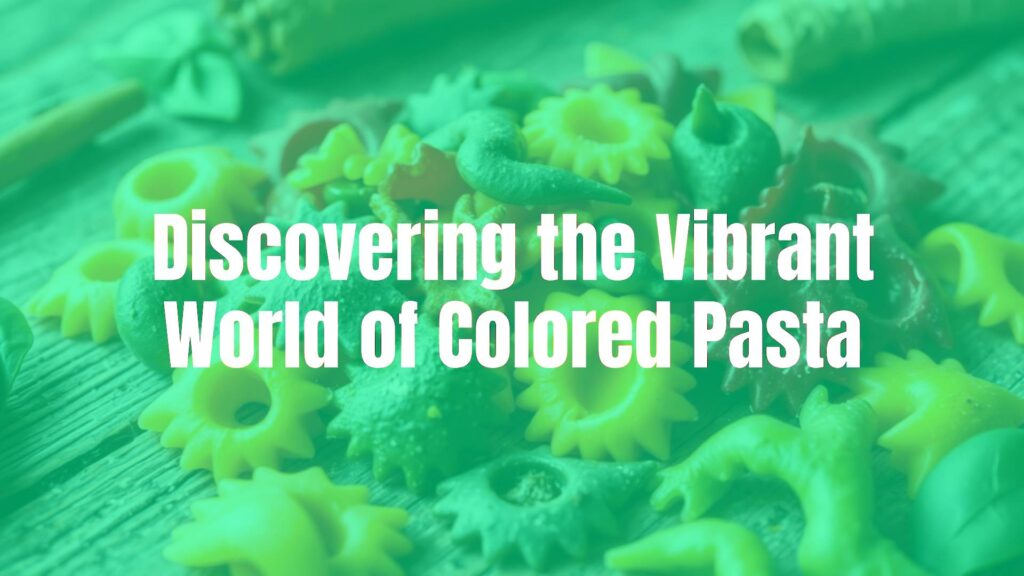
Colored pasta captivates the eye and delights the palate, bringing a playful splash of color to any meal. Known for its vivid hues that elevate both presentation and enjoyment, colored pasta stands out as a creative twist on the classic staple. This pasta is cherished by home cooks and professional chefs alike, making dishes inviting for both children and adults and turning everyday meals into festive occasions.
What Makes Colored Pasta Distinctive?
The unique appeal of colored pasta lies in its use of natural or culinary dyes to tint the dough. Traditional Italian methods incorporate ingredients such as spinach for green, beetroot for red or pink, squid ink for black, and turmeric or saffron for yellow. These natural additions impart not only color but also subtle flavor nuances. Some varieties may also employ food-safe artificial coloring for a more uniform or intense hue, especially in commercial products. Colored pasta comes in a wide array of shapes, from spaghetti and penne to farfalle and fusilli, showcasing its versatility.
Key Characteristics and Culinary Use of Colored Pasta
Colored pasta’s texture mirrors that of its standard wheat counterpart, depending on the base flour and manufacturing process. Its bold appearance makes it popular for recipes where visual appeal matters, such as salads, pasta platters, and dishes for special occasions. While the taste is usually only subtly different—the colorant imparts gentle notes—some ingredients, like squid ink or spinach, have more pronounced flavors. Colored pasta is excellent for pairing with light sauces that allow its hues to shine, or it can be a conversation starter in baked dishes and cold salads.
Origins and Cultural Context of Colored Pasta
The tradition of coloring pasta has deep roots in Italian cuisine, particularly in regions where certain ingredients are abundant. Green spinach pasta hails from Emilia-Romagna, while black pasta colored with cuttlefish ink is a signature dish of coastal Sicily and Veneto. Bright pasta varieties can also be found throughout the Mediterranean, reflecting a celebration of natural produce. In modern times, colored pasta is enjoyed worldwide, especially during holidays or themed events, symbolizing creativity and the joy of sharing meals.
Pairings and Creative Uses for Colored Pasta
To highlight colored pasta, pair it with sauces that complement rather than overshadow its hues. For instance, green spinach pasta shines with creamy ricotta or light lemon-butter sauces, while black squid ink spaghetti is perfect with seafood or a simple aglio e olio. Rainbow pasta makes salads visually exciting, especially when tossed with vibrant vegetables and fresh herbs. You can create unique combinations by mixing different colored pastas in one dish or using them to coordinate with party themes and seasonal celebrations. Garnishing with contrasting cheeses or seeds further enhances the effect.
Preparation and Storage Tips for Colored Pasta
Cook colored pasta as you would standard pasta, but keep a watchful eye on timing—a couple of minutes less than package instructions often preserves both color and toothsome texture. To minimize color loss, use plenty of boiling water and avoid overcooking. After draining, toss immediately with sauce or a drizzle of olive oil. Leftover colored pasta can be stored in an airtight container in the refrigerator for up to 3–4 days; reheating should be gentle to maintain its lively appearance.
Nutritional Highlights and Dietary Insights
The nutritional profile of colored pasta largely matches that of its wheat base: rich in carbohydrates, moderate in protein, and a source of dietary fiber (if made from whole grains). The addition of vegetable or seafood colorings may provide trace nutrients but doesn’t significantly alter its macronutrient content. Colored pasta varieties are also available in gluten-free versions made from corn, rice, or legumes, accommodating various dietary needs. Low-carb and high-protein options exist for those following specialized meal plans.
Conclusion: Lasting Appeal of Colored Pasta
Colored pasta exemplifies how food can bring joy and artistry to the table. Whether you are looking to brighten a family dinner, impress at a gathering, or introduce children to new flavors and ingredients, colored pasta offers endless opportunities for culinary exploration and creativity. Its enduring popularity comes not only from its visual charm but also from its ability to turn every meal into a memorable celebration.
