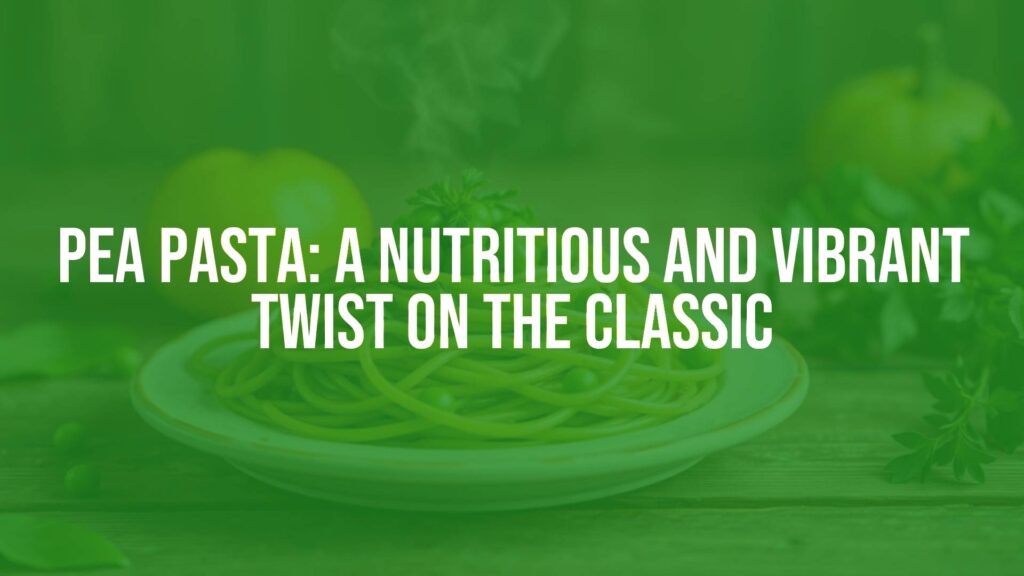
Introducing Pea Pasta: Pasta with a Green Revolution
Pea pasta has emerged as a vibrant and nutritious alternative to traditional wheat-based noodles, captivating both health-conscious eaters and culinary adventurers. Distinguished by its cheerful green hue and subtle legume aroma, pea pasta reimagines classic pasta dishes while offering a fresh perspective on mealtime staples. Whether you are exploring plant-based eating or simply looking to diversify your pantry, pea pasta stands out for its distinctive appeal.
What Makes Pea Pasta Unique?
Unlike conventional pasta, pea pasta is crafted primarily from ground peas—most commonly green peas or split peas—often complemented by water and sometimes a touch of rice or other natural binders. This gluten-free formulation imparts not only an appealing color but also a delicate, garden-fresh flavor and a slightly firmer bite. Some varieties are entirely made from 100% peas, while others blend pea flour with additional legumes for varied texture and nutrition.
Taste, Texture, and Versatile Roles in Cooking
Pea pasta offers a subtle sweetness reminiscent of fresh peas, with earthy undertones and a pleasantly chewy texture. It excels as a base for a wide array of sauces and preparations, comfortably holding up to both light vinaigrettes and hearty, chunky mixes. Its unique texture holds sauces well, making it an excellent choice for warm pasta salads, baked casseroles, and protein-packed entrées. Pea pasta also retains its shape beautifully when cooked, resisting mushiness even after reheating.
Historical Roots and Cultural Evolution
The development of pea pasta is driven by modern innovations in food technology and a renewed appreciation for plant-based nutrition. While not rooted in ancient Italian tradition, this pasta is a contemporary response to both dietary needs and sustainability. With pulses like peas having long held a place in Mediterranean cuisine, pea pasta can be seen as a bridge between time-honored culinary practices and today’s emphasis on wholesome, minimally processed foods.
Delicious Pairings and Creative Serving Suggestions
Pea pasta pairs exceptionally well with ingredients that enhance its sweet, earthy profile. Consider tossing it with zesty lemon zest, roasted cherry tomatoes, or sautéed greens for a lively meal. Creamy pesto, feta cheese, grilled chicken, sun-dried tomatoes, or a splash of extra virgin olive oil all complement its fresh notes. For a distinctly Mediterranean flair, combine with olives, artichoke hearts, or chickpeas. The pasta’s appealing color also makes it a striking base for vegetable-forward salads or oven-baked casseroles.
Preparation and Storage Advice
For optimal texture, cook pea pasta according to package instructions, typically for a slightly shorter duration than wheat pasta to maintain its signature al dente firmness. Rinse gently if using in cold salads. Store cooked pea pasta in an airtight container in the refrigerator, adding a drizzle of oil to prevent sticking. Reheat gently in the microwave or on the stovetop with a bit of water or sauce to restore moisture and texture.
Nutritional Value and Dietary Suitability
Pea pasta is celebrated for its impressive nutritional profile, boasting a higher protein and fiber content than many traditional pastas while remaining naturally gluten-free. It is also low in fat and provides beneficial micronutrients such as iron, potassium, and B vitamins. As a legume-based option, it is suitable for vegetarian and vegan diets, and makes an excellent alternative for those managing gluten sensitivity or seeking to boost their daily intake of plant protein and fiber.
Pea Pasta’s Place in Modern Cuisine
Pea pasta’s growing popularity is a testament to its ability to blend nutritional benefits with appealing taste and versatility. Its vibrant color and satisfying texture have made it a staple for anyone seeking a wholesome, innovative twist on classic pasta dishes. Whether cooked simply or dressed up for special occasions, pea pasta is poised to remain a favorite in both health-conscious households and creative kitchens, offering delicious potential far beyond the ordinary.
