Getting to Know Tuna Pasta
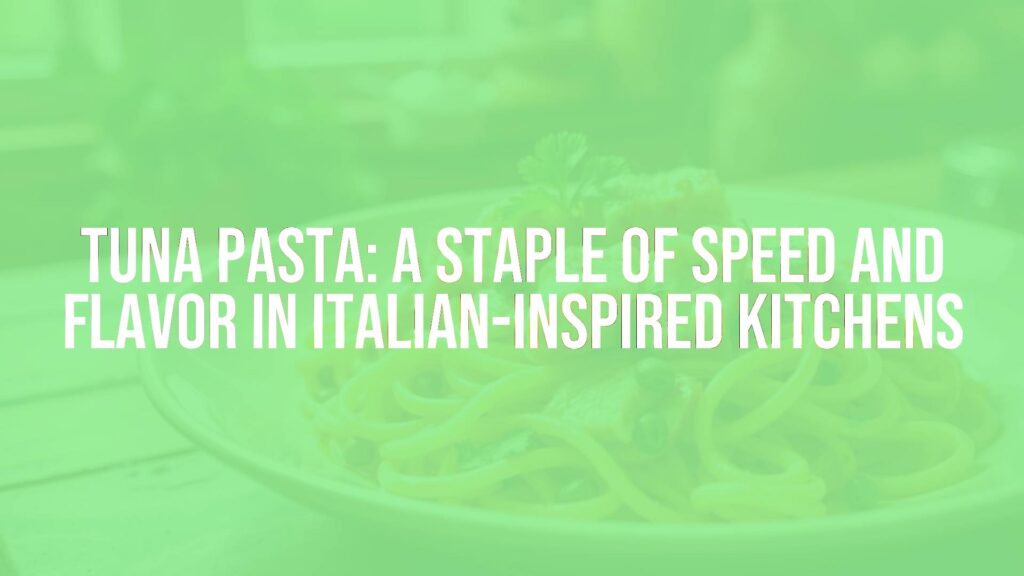
Tuna pasta stands out as a beloved dish in kitchens worldwide, appreciated for its perfect blend of briny seafood warmth and the comforting bite of pasta. This classic meal is celebrated for its ease of preparation, affordability, and the deliciously satisfying harmony between flaky tuna and various types of noodles, making it a frequent choice for quick weekday dinners and hearty family lunches.
What Makes Tuna Pasta Unique?
At its core, tuna pasta features cooked pasta—most often varieties like fusilli, penne, spaghetti, or farfalle—tossed with canned, jarred, or fresh tuna. The sauce can be as simple as olive oil or combined with tomatoes, cream, capers, olives, or even a hint of citrus. The essential elements are the savory, mildly oceanic flavor of the tuna, which melds beautifully with the chewy texture of pasta. Depending on regional or personal touches, additions like peas, onions, garlic, parsley, or chili flakes often enhance the overall profile.
Distinctive Qualities and How Tuna Pasta Is Enjoyed
Tuna pasta is characterized by its balanced flavor: the richness of tuna is uplifted by bright ingredients, while pasta provides a grounding structure. Certain pasta shapes, such as penne or fusilli, are especially good at catching bits of tuna and sauce. Tuna pasta shines as a main course but is equally comfortable served chilled in pasta salads or baked with a topping of crispy breadcrumbs and cheese for extra indulgence.
Historical Roots and Cultural Significance
The concept of combining tuna and pasta likely emerged in Italy in the mid-20th century, when canned tuna became widely available. Its popularity spread beyond Italy, evolving into a pantry-based classic for households around the globe. In Italian regions with strong fishing industries, particularly Sicily and southern coastal areas, variations using fresh tuna and local greens or tomatoes reflect both tradition and resourcefulness. Tuna pasta is not only a symbol of practicality but also of the Italian inclination for simple, flavorful meals made from quality ingredients.
Serving Suggestions and Creative Combinations
This dish is endlessly adaptable. For a Mediterranean flair, combine tuna with capers, olives, and sun-dried tomatoes. Add fresh herbs like basil or parsley for brightness, or a squeeze of lemon for zest. Tuna pasta partners well with both oil- and tomato-based sauces, and creamy versions have also gained popularity. For added texture and nutrition, toss in spring peas, arugula, or roasted vegetables. To elevate the presentation, garnish with a sprinkle of toasted breadcrumbs or a handful of grated Parmigiano-Reggiano.
Advice for Cooking and Storage
To achieve optimal texture, always cook pasta until just al dente, as it will continue to absorb sauce when mixed. If using canned tuna, drain well and flake gently to maintain plump morsels throughout the dish. Store leftovers in an airtight container in the refrigerator for up to two days; tuna pasta can be enjoyed cold as a salad or gently reheated with a splash of broth or olive oil to refresh the texture.
Nutrition and Dietary Insights
Tuna pasta offers a good balance of carbohydrates, protein, and healthy fats, making it a filling meal option. Tuna is rich in lean protein and omega-3 fatty acids, while pasta provides energy-sustaining carbohydrates and fiber, especially when using whole wheat varieties. For gluten-free diets, simply swap in gluten-free pasta. To accommodate lower-carb preferences, maintain a higher ratio of tuna and vegetables to pasta. If sodium is a concern, opt for tuna packed in water and check labels on canned ingredients.
In Summary: Tuna Pasta’s Enduring Popularity
Tuna pasta remains a staple because it pairs convenience with genuine culinary satisfaction. Whether enjoyed fresh and warm, prepared as a vibrant salad, or enhanced with personal touches, its simplicity and adaptability anchor it as a perennial favorite in home cooking repertoires around the world.
