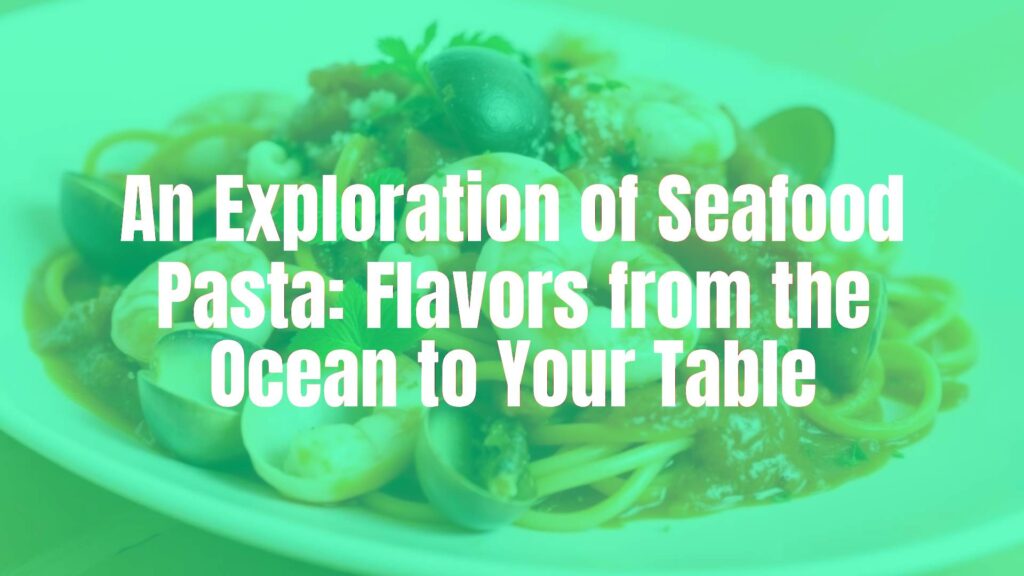
Introduction to Seafood Pasta
Seafood pasta is a delightful combination of the richness of Italian pasta and the freshness of the ocean’s bounty. Celebrated worldwide for its marriage of textures and flavors, seafood pasta brings together succulent shellfish, tender fish, and sometimes even crustaceans, all mingling with a variety of pasta shapes and sauces. The result is a dish that’s elegant, savory, and irresistibly comforting, cherished by food lovers for its versatility and gourmet appeal.
What Defines Seafood Pasta?
At its core, seafood pasta features pasta—be it spaghetti, linguine, fettuccine, or short shapes—paired with a medley of seafood. Common ingredients include shrimp, squid, clams, mussels, scallops, and sometimes flakes of white fish. The dish may be accompanied by a tomato-based, olive oil-based, or creamy sauce, often infused with garlic, fresh herbs, and a hint of chili for gentle warmth. What sets seafood pasta apart is the emphasis on freshness and the harmonious interplay between the delicate flavors of the sea and the comforting texture of pasta.
Key Characteristics and Culinary Use of Seafood Pasta
Seafood pasta stands out due to its briny, subtly sweet, and umami-forward flavor profile. The seafood’s natural juices often blend into the sauce, creating a luscious, aromatic coating for the pasta. Long pasta shapes, such as linguine or spaghetti, are popular choices because they allow the sauce to cling beautifully, but short varieties like penne or fusilli are also used for heartier recipes. Seafood pasta can be savored as a show-stopping main dish, an appetizer in smaller portions, or even as a luxurious addition to festive menus.
Origins and Cultural Significance of Seafood Pasta
The tradition of pairing pasta with seafood is deeply rooted in Italian coastal regions, particularly Southern Italy, Sicily, and the Amalfi Coast. Dishes like “spaghetti alle vongole” (spaghetti with clams) and “frutti di mare” (mixed seafood pasta) illustrate the region’s reliance on freshly caught seafood and local ingredients. Over time, seafood pasta has become a global favorite, enjoyed in trattorias from Naples to New York. It is often associated with celebratory gatherings and the summer season, when seafood is at its peak.
Pairing and Customization Ideas for Seafood Pasta
Seafood pasta is endlessly adaptable. Classic pairings include a simple garlic and olive oil sauce, a light tomato and white wine reduction, or a rich cream-based sauce for added indulgence. Enhance the flavors with fresh parsley, basil, capers, or a squeeze of lemon for brightness. For a twist, consider adding roasted vegetables, a sprinkle of chili flakes, or incorporating less traditional seafood like lobster or octopus. Complement the meal with a glass of crisp white wine or rosé for optimal enjoyment.
Tips for Preparing and Storing Seafood Pasta
To achieve the perfect seafood pasta, cook the pasta al dente, allowing it to finish in the sauce so it absorbs the seafood flavors. Ensure the seafood is fresh, and avoid overcooking to preserve its tender texture. If making ahead, store the components separately—keep the seafood and sauce in one container and the cooked pasta in another—to prevent the pasta from becoming soggy. Seafood pasta is best enjoyed fresh, but leftovers can be reheated gently over low heat to maintain the delicate texture of the seafood.
Nutritional Aspects and Dietary Considerations of Seafood Pasta
Seafood pasta offers a balanced profile of lean protein from seafood, complex carbohydrates from pasta, and essential vitamins and minerals such as omega-3 fatty acids, vitamin B12, and iron. Opt for whole wheat or gluten-free pasta for increased fiber or to accommodate gluten sensitivities. For lower calorie options, limit the use of heavy creams and favor olive oil or tomato-based sauces. The dish can be part of heart-healthy and Mediterranean diets when enjoyed in moderation.
Conclusion: The Versatility and Enduring Appeal of Seafood Pasta
What makes seafood pasta truly special is its balance of simplicity and sophistication. From family dinners to festive occasions, this dish’s capacity to showcase the flavors of the sea while adapting to personal tastes ensures its enduring popularity in kitchens worldwide. Whether enjoyed as a comforting classic or an elevated culinary treat, seafood pasta remains an inspiring canvas for creativity and a testament to the joys of Italian cuisine.
