Introduction to Pumpkin Pasta
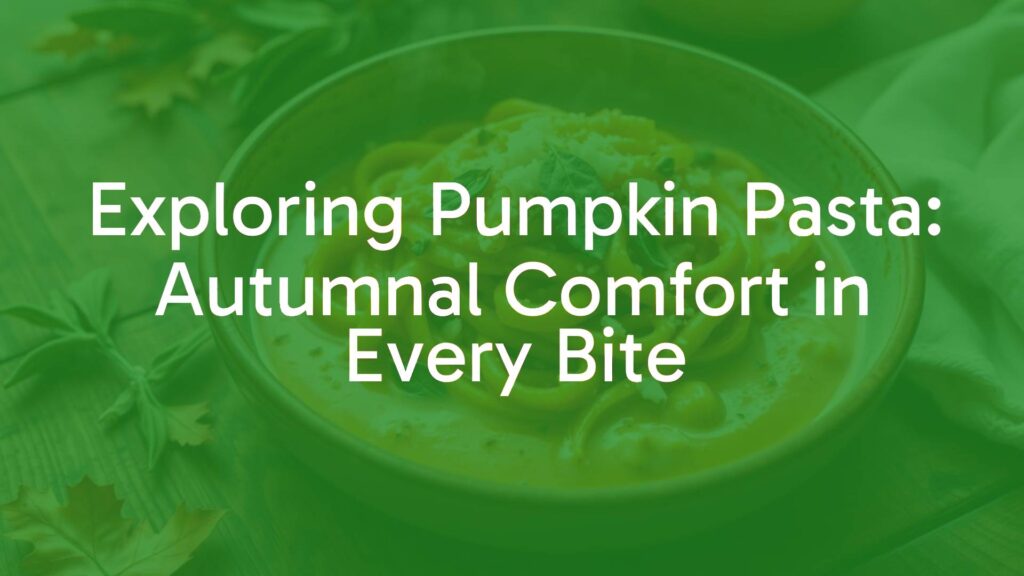
Pumpkin pasta captures the essence of autumn in a single dish, combining the creamy sweetness of pumpkin with the satisfying heartiness of pasta. Beloved for its warm flavor and vibrant color, pumpkin pasta is cherished by home cooks and gourmet chefs alike for bringing seasonal flair to the table. Whether served as a cozy meal on a crisp evening or featured at festive gatherings, this dish is a delicious testament to the versatility of pumpkin in savory cuisine.
What Defines Pumpkin Pasta?
Pumpkin pasta refers to any pasta dish where pumpkin takes center stage, usually through a silken puree or sauce that coats the noodles. The pumpkin can be paired with traditional pasta shapes like fettuccine, penne, or rigatoni, its natural sweetness balanced by ingredients such as garlic, sage, parmesan, or nutmeg. While the majority of pumpkin pasta recipes use cooked and blended pumpkin as a sauce base, some variations incorporate pumpkin directly into the pasta dough, resulting in a subtle, golden hue and mellow flavor.
Key Characteristics and Culinary Use of Pumpkin Pasta
What sets pumpkin pasta apart is its creamy, velvety texture and delicately sweet flavor profile. The sauce tends to be silky and smooth, clinging well to a variety of pasta shapes, especially those with grooves or tubes that trap the luscious puree. Pumpkin pasta shines in both simple weeknight dinners and elegant main courses, adapting easily to soups, baked casseroles, or tossed salads. Its mellow taste plays well with both earthy herbs and bold, spicy notes, making it a flexible foundation for numerous culinary experiments.
Origins and Cultural Significance of Pumpkin Pasta
While pumpkin pasta is celebrated worldwide today, its roots trace back to regions in northern Italy where pumpkins have been cultivated for centuries, especially in Lombardy and Emilia-Romagna. Traditional dishes like “tortelli di zucca” (pumpkin-stuffed pasta) are symbols of autumn harvest, often served during festive gatherings. Over time, the concept of pumpkin-based sauces for pasta migrated beyond Italy, inspiring creative adaptations in North America and beyond, especially in regions where pumpkin is a seasonal staple.
Pairing and Customization Ideas for Pumpkin Pasta
Pumpkin pasta is highly adaptable to different flavor companions. Classic pairings include crispy pancetta, toasted walnuts, sautéed mushrooms, spinach, or sage-butter sauce. For a richer experience, consider adding a touch of cream or mascarpone; for brightness, finish with a squeeze of lemon or crumbled feta. Vegan versions can swap dairy for coconut milk or nutritional yeast. For added texture, a sprinkle of roasted seeds or breadcrumbs makes a delightful topping.
Tips for Preparing and Storing Pumpkin Pasta
Achieving the perfect consistency is key: cook pasta until al dente, so it holds its shape beneath the creamy pumpkin sauce. Use fresh pumpkin puree or canned pumpkin for convenience, blending until smooth. When reheating leftovers, add a splash of milk, broth, or water to maintain the sauce’s creaminess. Store cooked pumpkin pasta in an airtight container in the refrigerator for up to three days for best quality.
Nutritional Aspects and Dietary Considerations of Pumpkin Pasta
Pumpkin is naturally low in calories and rich in vitamin A, fiber, and antioxidants, making it a nutritious complement to pasta. Depending on the pasta base, the dish can be tailored to various dietary preferences: opt for whole grain, gluten-free, or legume-based pastas as needed. The addition of pumpkin puree reduces the need for heavy cream or cheese, creating a lighter option that still satisfies a craving for comfort food.
Conclusion: The Versatility and Enduring Appeal of Pumpkin Pasta
Pumpkin pasta continues to win hearts with its seasonal charm, creamy texture, and endless adaptability. Whether enjoyed in a rustic Italian recipe or a modern plant-based version, it remains a symbol of autumn’s bounty and the pleasures of inventive, nourishing cooking.
