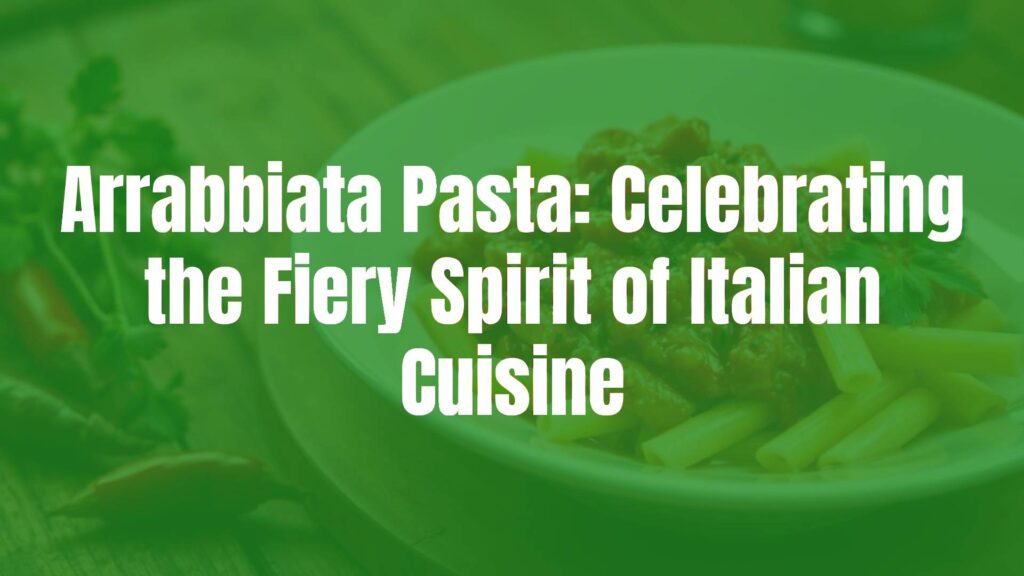
Arrabbiata Pasta: Introducing a Spicy Italian Classic
Arrabbiata pasta stands out in the realm of Italian cuisine as a bold and spicy dish that captures the passion and intensity of Roman cooking traditions. With its simple yet powerful blend of ingredients, arrabbiata pasta is beloved by those who enjoy robust flavors and a satisfying kick of heat. The name “arrabbiata,” which translates to “angry” in Italian, alludes to the fiery red chili peppers that define this dish, making it a favorite for lovers of spicy food.
Core Elements That Define Arrabbiata Pasta
The essence of arrabbiata pasta lies in its vibrant tomato-based sauce, enriched by garlic and the unmistakable zest of red chili peppers. Traditionally, penne rigate is the pasta shape of choice, as its ridged surface captures the savory, spicy sauce. The primary components—good quality tomatoes, extra-virgin olive oil, fresh garlic, and dried or fresh chili—come together in a straightforward yet powerful combination, creating a sauce that’s both intensely flavorful and quick to prepare.
Flavor Profile and Culinary Uses of Arrabbiata Pasta
Known for its assertive heat and aromatic undertones, arrabbiata pasta delivers a piquant experience every time. The typical al dente texture of the pasta pairs beautifully with the bold sauce, ensuring each bite is both hearty and satisfying. While penne is traditional, rigatoni or ziti also work well, as their shapes effectively hold the sauce. Arrabbiata can be served as a standalone main, paired with simple greens, or presented as a flavorful starter at gatherings. Its no-nonsense preparation and lively taste make it a go-to dish for quick yet impressive meals.
Historical Origins and Cultural Importance
The roots of arrabbiata pasta can be traced to the Lazio region, with Rome at its heart. First popularized in Roman trattorias in the mid-20th century, it reflects the region’s penchant for bold, uncomplicated flavors using readily available ingredients. Arrabbiata has since transcended regional boundaries, becoming a symbol of Italian resourcefulness and the national love affair with pasta and spicy food. Today, it’s celebrated across Italy and worldwide as a testament to the power of minimalistic yet memorable cooking.
Pairing Suggestions and Creative Variations
The vivid simplicity of arrabbiata leaves room for experimentation. For classic pairings, consider a sprinkle of Pecorino Romano or Parmigiano-Reggiano cheese to balance the heat. Fresh herbs like basil and parsley lend brightness, while a touch of anchovy paste or olives can introduce umami depth. For protein, grilled chicken or sautéed shrimp make excellent additions. Adventurous cooks may try incorporating roasted vegetables or a splash of red wine for added complexity. Serve with crusty bread to mop up every last bit of sauce.
Cooking and Storage Recommendations
To make the most of arrabbiata pasta, cook the pasta until just al dente, ensuring it maintains the perfect bite. Prepare the sauce ahead of time and toss the drained pasta directly in the pan, allowing the starches to help the sauce cling. Arrabbiata reheats well, retaining its fiery character, but store the pasta and sauce separately if possible to preserve ideal texture. Refrigerate leftovers in airtight containers and consume within a few days for best flavor.
Nutritional Highlights and Dietary Factors
Arrabbiata pasta is naturally vegan, making it accessible for various dietary needs. The dish is a source of carbohydrates, modest protein (with potential for more via legumes or added proteins), and beneficial antioxidants from tomatoes and chili peppers. It is relatively low in fat when prepared simply, and whole wheat or gluten-free pasta can easily be substituted for those with specific dietary targets. Adjusting chili levels allows for customization to individual spice tolerance and health considerations.
Closing Thoughts: The Enduring Popularity of Arrabbiata Pasta
With its punchy flavors and straight-to-the-point preparation, arrabbiata pasta remains a shining example of how a few carefully chosen ingredients can create a signature dish. Its versatility, ease of customization, and cultural resonance ensure that arrabbiata continues to be a cornerstone of Italian cuisine and a staple in kitchens around the world.
