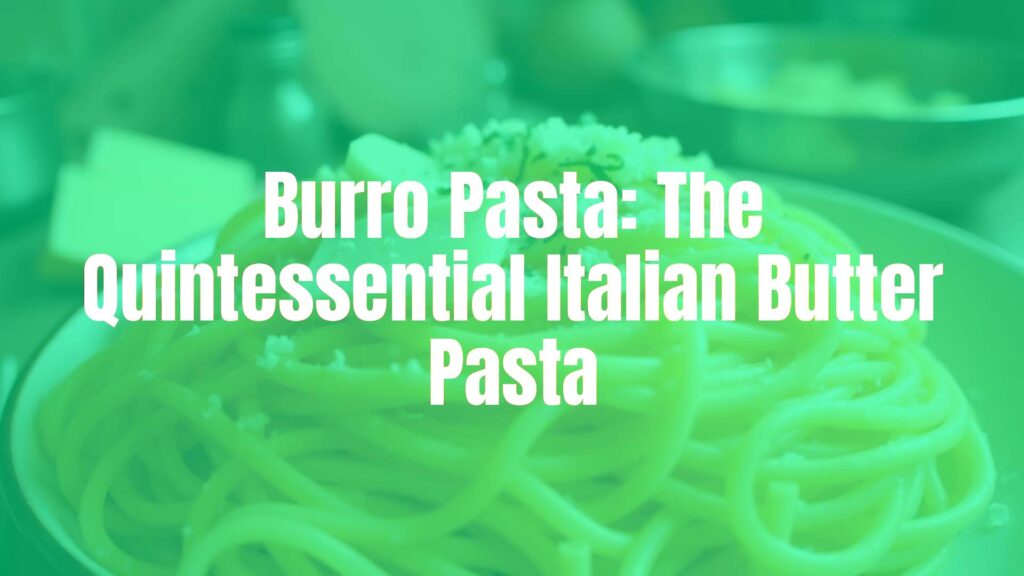
An Introduction to Burro Pasta
Burro pasta, also known as “pasta al burro,” is one of Italy’s most beloved comfort foods. Noted for its pure simplicity, this dish places the spotlight on high-quality butter, resulting in a creamy, luscious plate of pasta that charms both children and adults alike. Its straightforward preparation and delicate flavor profile make it a staple in Italian households and a popular first food for young palates.
Understanding the Essence of Burro Pasta
The defining characteristics of burro pasta are remarkably simple: it consists of freshly cooked pasta tossed with generous amounts of butter, occasionally accented with a sprinkle of grated Parmigiano-Reggiano cheese or freshly ground black pepper. The sauce’s creamy texture is achieved by emulsifying the butter with a bit of the starchy pasta water, which helps cling to each strand or shape. Though spaghetti and fettuccine are classic choices, any pasta shape can be used to create this dish, as its neutral profile adapts effortlessly.
Features and Versatility in the Kitchen
Burro pasta is celebrated for its silky, velvety sauce and irresistibly smooth mouthfeel. The rich, milky notes from the butter envelop the pasta, lending a gentle savory finish. This dish acts as a canvas for both traditional and creative culinary ventures: it can be savored on its own for its pure taste or used as a base to incorporate vegetables, herbs, or even truffles. Its versatility extends to pasta salads, side dishes, or quick weeknight meals thanks to its rapid preparation time.
Historical Background and Cultural Context
The roots of burro pasta stretch deep into Northern Italy, especially regions like Emilia-Romagna and Lombardy where dairy products, including high-quality butter, are staples in local cooking. Historically, burro pasta emerged as a simple, nourishing food, ideal for both everyday meals and the introduction of pasta to children. Over generations, it has gained recognition as a comforting dish emblematic of Italian home cooking, and it continues to be cherished across Italy and beyond.
Taste Pairings and Creative Enhancements
Burro pasta’s mild foundation invites a variety of pairings. For a classic touch, finish with grated Parmigiano-Reggiano or Grana Padano. Freshly cracked pepper or a hint of nutmeg offers depth. For a luxurious twist, white truffle shavings or a few drops of truffle oil make for an extravagant pairing. Vegetables like peas or asparagus, or fresh herbs such as sage and parsley, provide vibrancy. To boost umami, try adding anchovy or toasted breadcrumbs for crunch.
Cooking and Storage Guidelines
To achieve the ideal burro pasta, cook the pasta to al dente, preserving a slight bite, and reserve a cup of pasta water before draining. Melt butter in a pan, then toss in the pasta along with some reserved water, stirring rapidly to emulsify. Serve immediately to maintain the creaminess. Leftovers can be stored in an airtight container in the refrigerator for up to two days; gently reheat with a splash of water or a touch more butter, avoiding overcooking.
Nutrition and Dietary Insights
Burro pasta is a rich source of carbohydrates, primarily from the pasta, and supplies fats from the butter. It provides small amounts of protein, especially if cheese is added. For those watching calories or fat intake, consider using a modest amount of butter or choose a whole-wheat pasta for extra fiber. Gluten-free pasta varieties make it accessible to those with gluten sensitivities. For vegetarians, this dish is naturally suitable, but to make it vegan, substitute plant-based butter and omit the cheese.
Conclusion: Timeless Comfort and Endless Possibilities
Burro pasta stands out as a shining example of the Italian philosophy that less is often more in the kitchen. Its unpretentious ingredients allow the innate qualities of butter and pasta to take center stage, offering comfort and flavor with every forkful. Whether served as a nurturing meal for children, a quick weeknight dinner, or as a blank slate for culinary creativity, burro pasta maintains its enduring appeal in Italian cuisine and around the world.
