Introducing Poblana Pasta: An Exquisite Culinary Fusion
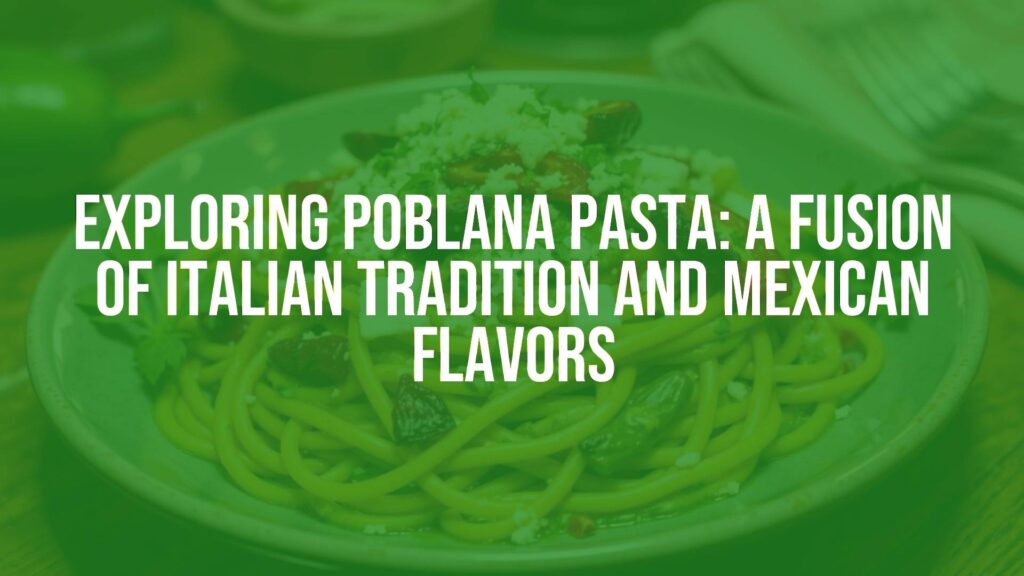
Poblana pasta stands at the crossroads of Italian and Mexican cuisines, crafting a delightful marriage of creamy pasta textures with the bold, earthy notes of poblano peppers. This unique dish has gained popularity for its vibrant color and exciting flavor profile, offering a refreshing twist on traditional pasta meals while celebrating the distinctive taste of Mexican ingredients.
The Distinctive Elements of Poblana Pasta
What makes poblana pasta so memorable is its signature sauce: a silky blend of roasted poblano peppers, cream, frequently fresh garlic, onions, and sometimes cheese like cotija or panela. The pasta itself is typically short and ridged (such as penne or rigatoni) to hold the luscious sauce, but the essential characteristic is always the striking green poblano-based crema that defines the dish.
Flavor Profile and Culinary Versatility
Poblana pasta delivers a delicate balance between richness and a subtle pepper heat. The roasted poblanos lend a gentle smokiness and a mild spice, while the cream and cheese provide smoothness and depth. Its velvety sauce adheres beautifully to pasta shapes with grooves, making it ideal not only for main courses but also as a side dish or the centerpiece of festive gatherings. Poblana pasta pairs exceptionally with vegetables, grilled chicken, shrimp, or even mushrooms, and can also stand alone as a rich vegetarian dish.
Origins and Cultural Roots
This culinary hybrid is relatively modern, born from the increasing interplay between Mexican and Italian gastronomic traditions. While there is no single origin story, it owes its inspiration to the widespread use of poblano peppers in central Mexican cuisine (particularly the state of Puebla) and the versatile adaptability of Italian-style pasta. Over the years, poblana pasta has become a favorite in Mexican-American households and restaurants, symbolizing the vibrant evolution of contemporary cuisine.
Creative Pairings and Personalization
Enhancing poblana pasta is all about celebrating its verdant sauce. Consider adding grilled corn, roasted chicken, or even chorizo for extra layers of flavor. Swap out traditional cream for a lighter version using Greek yogurt or even cashew cream for a dairy-free option. Garnish with cilantro, sliced radishes, or a sprinkle of toasted pumpkin seeds to echo Mexican culinary traditions. For a touch of heat, add a pinch of chili flakes or sliced jalapeños.
Preparation and Storage Insights
For the best results, cook the pasta until it is just al dente, allowing it to hold up to the creamy sauce without becoming over-soft. Blend roasted poblano peppers thoroughly for a smooth, velvety texture in the sauce. Store leftover poblana pasta in an airtight container in the refrigerator; it can be gently reheated on the stove with a splash of milk or cream to return its creaminess. Poblana pasta is not typically recommended for freezing, as the sauce can separate upon thawing.
Nutritional Profile and Dietary Flexibility
The nutritional aspects of poblana pasta depend on the base ingredients of the pasta and the type of dairy used in the sauce. Poblano peppers provide fiber, vitamin C, and antioxidants, while the creamy components contribute protein and fats. By choosing whole-grain or gluten-free pasta, and substituting lighter or plant-based creams, this dish can be tailored to fit vegetarian, gluten-free, and lower-calorie diets.
Why Poblana Pasta Continues to Captivate
Poblana pasta embodies the creativity that emerges when culinary traditions intersect, offering diners a unique dish that is as visually stunning as it is delicious. Its blend of flavor, color, and adaptability makes it a sought-after feature at family dinners and celebrations alike—a testament to the enduring magic of both Italian and Mexican cuisines.
