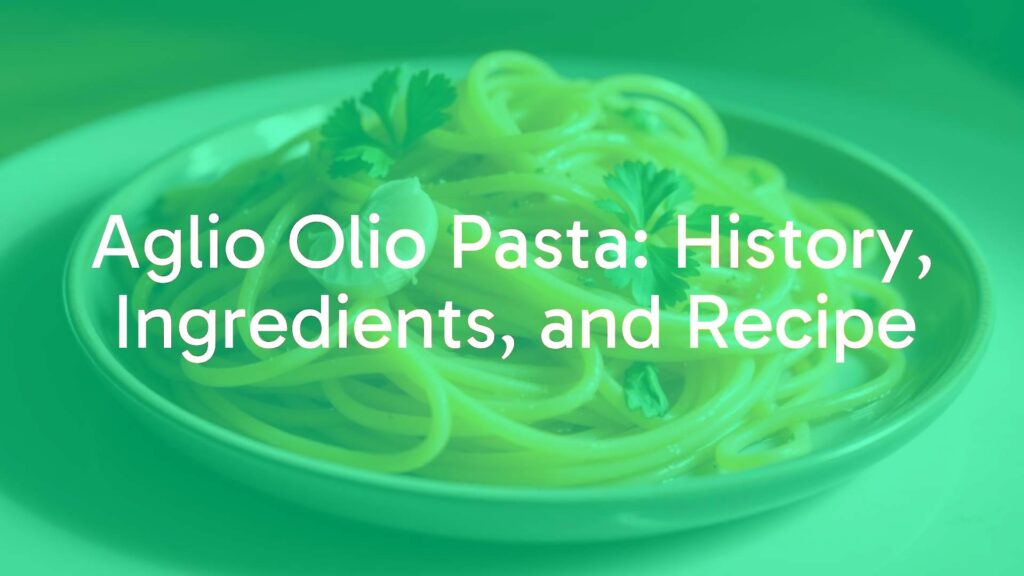
Aglio olio pasta may look simple, but it’s incredibly tasty and proves that you don’t need many fancy ingredients to make a great dish. In fact, this Italian favorite only uses a few basic foods. This meal blends garlic and olive oil together with pasta, creating a dish that people all around the world enjoy for its depth of flavor and straightforward ingredients. It really shows that sometimes the simplest recipes can be the most satisfying.
In this guide, you’ll learn about the history, main ingredients, and how to prepare aglio olio pasta. We’ll talk about where it comes from, look at different ways people make it today, and share tips to help you get this quick meal just right. It’s a good choice for both beginners in the kitchen and those with more cooking experience, as every ingredient and step counts in making the dish come together well.

What Is Aglio Olio Pasta?
Spaghetti Aglio e Olio (said as “ah-lee-oh eh oh-lee-oh”) is an Italian pasta recipe that stands out for being simple and stylish at the same time. The name means “spaghetti with garlic and oil.” It originally comes from Naples, Italy, and has become popular worldwide because it’s easy to make, budget-friendly, and uses ingredients most people have at home.
If you want something quick, comforting, and full of flavor, aglio olio pasta is an ideal choice. It emphasizes using good ingredients. It’s easy to prepare and can make a regular evening meal or last-minute dinner feel special without much effort at all.
How the Dish Began
Aglio olio pasta started in the area around Naples, in the Campania region of Italy. It was made with items nearly every Italian family had on hand: garlic, olive oil, and dried pasta. Because of these humble beginnings, it’s a good example of “cucina povera,” or “peasant cooking,” which is about getting the most flavor out of simple foods.
The name says it all-just “spaghetti with garlic and oil.” Later, some versions added red pepper flakes, calling it spaghetti aglio, olio e peperoncino. This dish is a good reminder of Italian cooking values: let each ingredient shine without adding too much extra, and you’ll get a meal that tastes great and feels authentic.
Classic and Newer Styles
Usually, aglio olio pasta is very basic. The traditional way uses nothing more than spaghetti, olive oil, garlic, and maybe some salt and pepper. Some people also like to add a pinch of chili flakes and a bit of chopped parsley on top for extra color and freshness. The big trick is slowly cooking thin slices of garlic in olive oil, which makes the oil taste rich and nutty. Pasta water is mixed in at the end to bring it all together as a sauce.
Today, you’ll find versions where cooks add lemon, green veggies, or even proteins like chicken, shrimp, or anchovies for a bigger meal. Parmesan cheese is also something people add now, even though tradition says otherwise. These changes allow you to make the dish your own, but the heart of aglio olio remains its garlic and oil base.
Ingredients Needed for Aglio Olio Pasta
The key to good aglio olio pasta is choosing the best basic ingredients. You don’t need a lot of things-just a few high-quality items. This recipe is proof that when you pick your ingredients well, the simplest dishes can become special. Some items are must-haves, while others let you customize the meal to your liking.

Essential Ingredients
| Ingredient | Notes |
|---|---|
| Spaghetti | Standard type for this dish. One pound serves about 4. |
| Olive oil | Use good-quality extra virgin. About 1/2 to 3/4 cup. |
| Garlic | 6-12 cloves, sliced thin (not minced) for even cooking. |
| Red pepper flakes | Optional, but brings heat. 1/4 to 1/2 teaspoon or to taste. |
| Salt & Black Pepper | For seasoning to taste. |
Good Pasta Choices
- Spaghetti (the classic pick, because it’s best at picking up the oil and garlic)
- Linguine (slightly flatter, but works well)
- Fettuccine (broader, but can be used if that’s what you have)
- Bucatini (thicker and hollow, holds extra sauce inside)
Non-traditional shapes like penne or rigatoni could be used, but the long strands are better for this dish.
Optional Extras and Changes
- Chopped Italian parsley for color and freshness (about 1/4 cup)
- A tablespoon of butter for a richer taste (if you don’t mind adding dairy)
- Freshly grated Parmesan cheese for a savory kick (non-traditional, but tasty)
- Anchovies, cooked with the garlic for extra flavor
- Cooked proteins: chicken, shrimp, or even steak slices
- Cooked veggies: mushrooms, bell peppers, broccoli
Remember, adding lots of extras takes the meal further from its simple origins, but can make it more filling.
How to Make Aglio Olio Pasta
This dish comes together quickly, usually in less than half an hour. Still, the order of the steps and how you time things can make a big difference. It’s important to have everything ready and pay attention while you cook, since each part adds up to the final result.
Step-by-Step Instructions
- Prep Ingredients: Thinly slice your garlic, measure your oil, and chop your parsley before starting.
- Cook Pasta: Fill a large pot with water, salt it well, and bring it to a boil. Add your spaghetti and cook for about a minute less than the package says (so it’s a bit undercooked). Save about 1-1.5 cups of the pasta water before you drain it.
- Cook Garlic in Oil: Place your olive oil and garlic in a large, cold pan. Turn the heat to medium and cook slowly, stirring now and then, until the garlic is golden (takes about 10 minutes). Don’t let the garlic get too dark-it can go bitter fast. Lower heat if you need to.
- Add Spice: Once garlic is golden, take the pan off the heat and add red pepper flakes, plus salt and pepper.
- Mix Pasta and Sauce: Combine the drained pasta with the garlic oil. Add about 1/2 cup of pasta water. Add half the parsley (and cheese, if using). Toss well until you see a light, shiny sauce. If it looks dry, add more pasta water little by little.
- Final Touches: Taste and add more salt, pepper, and parsley (and cheese, if wanted). Serve right away.

Pasta Cooking Tips
- Always use a big pot so the pasta doesn’t stick together.
- Add plenty of salt to the water; this is the best time to season your pasta.
- Cook the pasta until it’s “al dente”-soft, but still a bit firm to bite.
- Save the pasta water; it helps the sauce come together and gives a nice texture.
Common Mistakes
- Burning the garlic: Watch closely, as garlic can burn and turn bitter very fast. If it starts to brown too quickly, take it off the heat right away.
- Not enough salt in pasta water: Seasoning the pasta itself is very important. Don’t skimp on the salt.
- Skipping pasta water: You need this for the sauce, or the pasta might end up oily and dry instead of silky.
Flavor Variations and Regional Changes
Aglio olio pasta is a great base for experimenting. Its simple taste lets you add new flavors or ingredients easily, whether that’s more spice, vegetables, or some protein. You can also adjust the recipe to fit vegan and gluten-free diets.
Adding Spice, Herbs, or Protein
- Chili flakes (peperoncino): For extra heat; use as much or as little as you want.
- Fresh herbs: Parsley is classic, but fresh basil is a nice swap.
- Anchovies: Stirred in with the garlic for a deeper, savory twist.
- Protein: Add cooked chicken, shrimp, or steak for a heartier meal.
- Veggies: Cooked mushrooms or roasted broccoli add flavor and bulk.
Vegan and Gluten-Free Versions
- Vegan: The basic recipe is already vegan. If you want to add “cheesy” flavor, use a vegan Parmesan or sprinkle in some nutritional yeast.
- Gluten-Free: Use gluten-free pasta and cook as directed. Save some cooking water for the sauce as you would with wheat pasta.
Nutrition Facts for Aglio Olio Pasta
This dish is filling, mostly because of the amount of pasta and olive oil. Here’s what you’ll usually get from one serving (with standard ingredient amounts for four people):
| Nutrient | Per Serving |
|---|---|
| Calories | ~755 kcal |
| Total Fat | 35g (about 8g saturated) |
| Total Carbs | 87g |
| Protein | 23g |
| Cholesterol | 18mg |
| Sodium | 355mg |
| Dietary Fiber | 4g |
| Total Sugars | 3g |
These numbers might change depending on the brands and how much of each ingredient you use.
Health Notes
- Olive oil: Extra virgin olive oil offers “good” fats for your heart and contains helpful antioxidants.
- Garlic: Has immune-boosting and anti-inflammatory benefits.
- Red pepper flakes: Offer a bit of capsaicin, which can help with pain and swelling.
- Pasta: Supplies carbs for energy.
If you follow a special diet, you might want to use less oil to lower the calories and fat, and adjust the salt if you’re watching sodium. If you have strict health needs, talk to a doctor or dietitian before making changes.
Serving Ideas for Aglio Olio Pasta
This pasta is great by itself, but adding side dishes or serving it different ways helps round out the meal. You can mix and match sides for a more filling dinner or pick lighter options if you want to keep things simple.

Best Sides and Pairings
- Green salads: Caesar, Caprese, or mixed greens help balance the richness of the pasta.
- Bread: Focaccia or rustic bread is perfect for soaking up extra oil.
- Vegetables: Roasted broccoli, cauliflower, or asparagus make a nice addition.
- Proteins: Serve with grilled chicken, shrimp, or baked fish for a full plate.
- Drinks: A crisp white wine like Sauvignon Blanc or Pinot Grigio works well.
Storing and Reheating Leftovers
- Storage: Keep leftovers in a sealed container in the refrigerator for up to 3 days.
- Reheating: Heat gently in a pan over low heat, adding a bit of water or olive oil if needed. Or reheat in the microwave, stirring a few times for even warming.
- Note: The texture will change slightly; the oil may solidify in the fridge, but a gentle reheat will bring it back to life.
Frequently Asked Questions about Aglio Olio Pasta
Even though this dish looks easy, people often have a few questions about it. Here are some common ones:
Is Aglio Olio Pasta Vegetarian?
Yes. The classic recipe is vegetarian and even vegan. There’s no meat, milk, or animal-based ingredients unless you choose to add cheese or seafood.
If ordering at a restaurant or trying a new recipe, check if they use Parmesan (since it’s dairy) or add any extra proteins if you want a plant-based meal.
Can You Make It Ahead of Time?
Aglio olio pasta tastes best as soon as it’s cooked. You could get parts ready in advance, like slicing garlic or chopping parsley, but try to cook the pasta and toss it with the oil right before serving for the best texture and flavor. Leftovers are safe to keep for a few days, but the taste and consistency may change a bit.
Which Pasta Shape Works Best?
Spaghetti is the number one choice for aglio olio. The texture and shape are perfect for holding the garlic and oil. If you don’t have spaghetti, linguine, fettuccine, or bucatini are next best. Short pasta shapes can be used, but they don’t grab the sauce as well.
