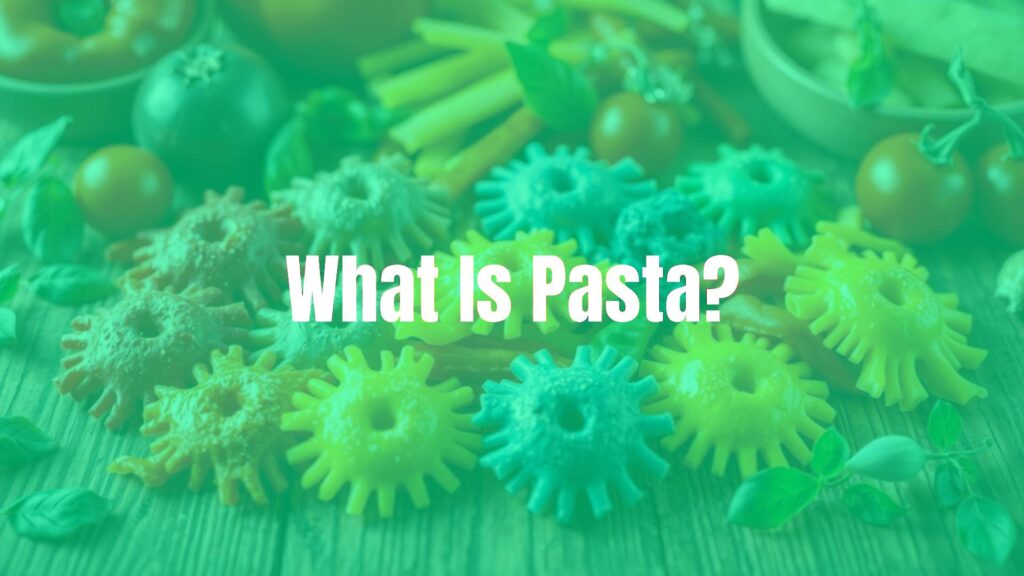
Pasta is a type of food made from dough, usually flour and water, and sometimes eggs. The dough is shaped into different forms, such as sheets, tubes, or strings, and then cooked by boiling or baking. Pasta is a key part of Italian cooking but is also enjoyed in many other countries, where it takes on local flavors and twists.
Although traditional pasta uses durum wheat, nowadays there are many options for people who can’t eat gluten. These alternatives use flours made from rice, beans, corn, or other grains, making pasta suitable for a wider range of diets and tastes.
What Is Pasta?
What Kind of Food Is Pasta?
Pasta is a food commonly linked with Italian cuisine and is often called pasta alimentaria. It serves as a blank canvas for many sauces and ingredients. Most pasta is made with semolina, a coarse flour that comes from the inside part of durum wheat. This gives pasta its springy feel and strong texture. Pasta comes in many shapes-long ribbons, tubes, cords, and more-each designed to hold sauces or work well in certain recipes.

When many people think of pasta, they picture dishes like spaghetti, fettuccine, or linguine topped with sauce. But pasta isn’t only eaten with sauce-it can also be used in soups, baked meals, salads, or enjoyed simply with butter and cheese.
Where Does the Word ‘Pasta’ Come From?
The word “pasta” first appeared in English in the 1830s. It comes from the Italian word “pasta,” which itself comes from Latin, and before that, Ancient Greek. This shows pasta has been around for a long time, changing and spreading through different cultures, starting with very simple mixtures of flour and water.
Pasta’s history goes back for centuries. People have been making flour-and-water foods since ancient times, showing that pasta has long been an important and well-loved food in many places.
How Did Pasta Begin and Change Over Time?
Early History and Stories About Pasta
Pasta’s history is long and sometimes confused by legends. A popular story says Marco Polo brought pasta to Italy from China in the 1200s, but this is not true. Experts point out that the noodles Marco Polo saw in China were made from rice and weren’t the same as Italian pasta. Asian noodles and pasta developed separately.
There are earlier signs of pasta-like foods in Italy. For example, pictures from around 400 BCE show Etruscans making something very similar to pasta. The Roman writer Horace described a dish called lagana-thin, fried dough layers, a relative of today’s lasagna. Ancient recipes also include layered dough and meat, showing pasta has been eaten in some form for centuries. References to dishes we now know as macaroni, ravioli, and vermicelli appear in Italy’s records by the 1200s and 1300s.

Pasta’s Spread to America
Pasta came to America thanks to English people who experienced pasta during visits to Italy, not Marco Polo. Early settlers boiled pasta for a long time and added rich sauces. One big moment was when Thomas Jefferson brought a macaroni maker back from France in 1789. Soon after, the first pasta factory opened in Brooklyn, and dried pasta started being made on a larger scale. After WWII, pasta became even more popular in America as soldiers came home with a taste for Italian dishes. Now, pasta is made in many forms, including gluten-free and veggie options.
Large-Scale and Modern Pasta Production
Pasta started as a handmade food. By the 1600s, machines in Naples helped shape pasta, and in 1740, Venice had its first official pasta factory. In the 1800s, new ways to separate semolina from husks meant more pasta could be made. Factories like Buitoni in Italy and others in Europe were producing lots of pasta by the mid-1800s.
In the early 1900s, new machines made drying and shaping pasta faster and more efficient. Modern factories now mass-produce most pasta, making it widely available around the world, while only a small amount is still made by hand.
What Is Pasta Made Of?
Main Ingredients in Traditional Pasta
Classic pasta is simple-usually durum wheat semolina flour and water. Durum wheat is strong and high in protein, which gives dried pasta its chewy bite. For fresh pasta, eggs are often used, especially in northern Italian regions. Eggs add fat, color, and a softer texture. Sometimes other things like vegetables (like spinach or tomato for color), mushrooms, cheese, and herbs are mixed in. Some pastas even use potatoes. Commercial dried pasta often has vitamins and minerals put back in after milling, like iron and B vitamins, to make it more nutritious.
Options for Gluten-Free Pasta
As more people look for gluten-free foods, pasta makers now offer many wheat-free options. People with celiac disease or gluten intolerance can find pastas made from rice, corn, quinoa, amaranth, oats, and buckwheat. Legume pastas (made from beans or lentils) are common too, and offer extra protein and fiber. To make the texture similar to regular pasta, some gluten-free products use ingredients like xanthan gum. This means even those who can’t have gluten can still enjoy pasta meals.
How Is Pasta Made?
Making Fresh vs. Dried Pasta
Pasta is either fresh (pasta fresca) or dried (pasta secca).
- Fresh pasta: Often handmade or made with simple machines, using eggs and soft flour. It’s tender, cooks quickly (in a few minutes), and is usually enjoyed right after it’s made. Fresh pasta is used for noodles like tagliatelle or for stuffed shapes like ravioli. It usually needs refrigeration and has a short shelf life.
- Dried pasta: Made in factories using semolina and water (sometimes eggs). It is shaped and then slowly dried at low temperatures to remove most of the water. This gives it a long shelf life and makes it tough enough for shipping. Dried pasta doubles in size after cooking and is good for hearty dishes, soups, and casseroles.
How Pasta Is Shaped in Factories
To make dried pasta, durum wheat is ground into semolina and mixed with water. Factories use machines to mix and knead the dough, which is then pushed through metal plates (dies) that give pasta its different shapes-like spaghetti, penne, or fusilli. Other ingredients, such as vegetable juices for color, are added during mixing if needed. Cutting blades and vacuum mixers help shape, dry, and stabilize the pasta before packaging.

| Step | Description |
|---|---|
| Mixing | Semolina and water are combined in large mixers. |
| Extruding | Dough is pushed through dies to form shapes. |
| Cutting | Blades cut the pasta to length as it exits the dies. |
| Drying | Pasta is dried slowly to lower moisture to about 12%. |
| Packing | Pasta is packaged for sale and storage. |
How Production Affects Texture
Mixing and kneading create gluten, which gives pasta strength and stretch. When pasta is extruded and dried, this gluten network locks the shape, making pasta hard and brittle before cooking. Boiling pasta changes the starch and protein-starch absorbs water and swells, while protein holds everything together. This gives cooked pasta its chewiness. Cooking pasta “al dente” means it’s firm to the bite, not too soft or mushy, letting it hold sauce better.
Main Types of Pasta
There are more than 310 pasta shapes (sometimes called by over 1,300 names!), and each region in Italy may have its own name for the same type. Pasta shapes are made to go with certain sauces or cooking styles.

Long Pasta Noodles
- Spaghetti: Long, thin strands, flexible in many recipes.
- Fettuccine: Flat, wider noodles, often with thick sauces like Alfredo.
- Linguine: Ribbon-like but narrower than fettuccine, good with seafood or light sauces.
- Lasagna Sheets: Wide, flat pieces used in baked dishes.
- Others: Capellini (very thin), pappardelle (broad ribbons), tagliatelle.
Short Pasta Shapes
- Shells (Conchiglie): Small, medium, or large; great for holding chunky or cheesy sauces.
- Corkscrew (Rotini/Fusilli): Spiral shapes grab thick or creamy sauces well.
- Farfalle: Bow-tie shaped, works in salads or with lighter sauces.
- Others: Penne (tubes), riccioline (curled).
Tubed Pasta
- Penne: Short tubes with slanted ends; holds sauce inside and out.
- Rigatoni: Larger tubes with ridges, perfect for thick or meaty sauces.
- Others: Paccheri (large tubes), elbows.
Stuffed Pasta
- Ravioli: Square or round pockets filled with cheese, meat, or vegetables.
- Tortellini: Small, ring-shaped stuffed pasta.
- Other Stuffed: Sacchetti, agnolotti; fillings and shapes vary by region.
Fresh vs. Dried Pastas
Fresh pasta is generally soft and cooks quickly, often made with eggs and best suited for light sauces or stuffing. Dried pasta is firm, long-lasting, and ideal for thick or chunky sauces. Both offer many shapes and uses, each bringing something different to a meal.
Nutritional Value of Pasta
What’s in Pasta?
Cooked pasta is mostly carbohydrates, with a bit of protein and almost no fat. Below is the typical nutrition information for 100 grams of cooked pasta:
| Nutrient | Amount per 100g (cooked) |
|---|---|
| Calories | 160 kcal |
| Carbohydrates | 31 g |
| Protein | 6 g |
| Fat | 1 g |
| Manganese | ~15% Daily Value |
Pasta is often “enriched” with extra nutrients like B vitamins and iron to make it healthier, especially after processing.
Traditional vs. Gluten-Free Pasta Nutrition
Both regular (wheat) and gluten-free pastas give you energy from carbs. Wheat pasta has gluten, which adds protein and makes pasta chewy. Gluten-free pastas use ingredients like rice, corn, beans, or quinoa. Bean- and lentil-based pastas have more protein and fiber than the rice or corn versions. Some gluten-free pastas are enriched as well. In general, pasta causes a slower rise in blood sugar than foods like bread or potatoes, so it can be a good choice for people who are watching their blood sugar.
Common Questions About Pasta
Which Country Is Famous for Pasta?
Italy is the country best known for pasta. It’s a core part of everyday life there, with many types and shapes for different regions. Italians eat more pasta per person every year than anywhere else. Strict rules exist for pasta making in Italy to keep up high standards. Although pasta is enjoyed worldwide, its traditions and heart are strongly tied to Italy.
What’s the Difference Between Fresh and Dried Pasta?
| Type | Ingredients | Texture | Cooking Time | Best With | Shelf Life |
|---|---|---|---|---|---|
| Fresh Pasta | Eggs + soft flour | Soft, tender | 2-4 minutes | Light sauces, stuffing (ravioli) | Must be refrigerated, short shelf life |
| Dried Pasta | Semolina + water | Firm | 8-12 minutes | Thick or chunky sauces, casseroles | Room temperature, long shelf life |
Is Pasta Healthy?
Yes, pasta can be part of a healthy diet. It offers complex carbs for energy and some protein. Many packaged pastas also have added vitamins and minerals. Pasta raises blood sugar less rapidly than bread or potatoes. For better nutrition, choose whole grain pasta and add vegetables or lean meats instead of heavy cream sauces. When eaten in normal portions and paired with healthy ingredients, pasta makes a filling, nutritious meal.