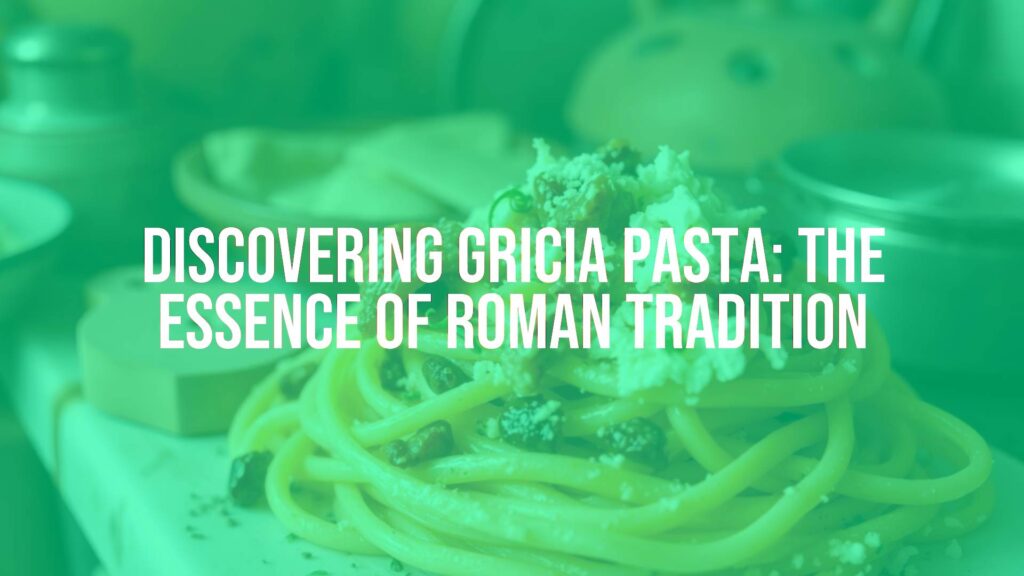
Introducing Gricia Pasta: A Taste of Roman Heritage
Pasta alla Gricia is a quintessential Roman dish, renowned for its simplicity and deep, savory flavor. Often referred to as the ancestor of more famous pasta dishes like Amatriciana and Carbonara, Gricia pasta holds a revered place in Italy’s culinary tapestry. With only a handful of ingredients and a focus on pure, unadulterated flavors, Gricia is beloved by purists and food enthusiasts who appreciate the beauty found in restraint.
The Hallmarks of Gricia Pasta
What fundamentally sets Gricia pasta apart is its minimalistic yet robust composition. The classic version features guanciale (salt-cured pork jowl), Pecorino Romano cheese, black pepper, and dried pasta, typically rigatoni or tonnarelli. The guanciale renders its fat, infusing the pasta with a rich, porky depth, while finely grated Pecorino Romano creates a creamy, savory coating. No tomato or egg is used, distinguishing it from its close relatives.
Characteristics and Culinary Applications
Pasta alla Gricia stands out for its delightfully creamy sauce, owed not to cream but to the emulsion of cheese, pork fat, and pasta water. The texture of the sauce clings beautifully to ridged shapes like rigatoni, ensuring each bite is packed with flavor. Gricia shines as a main course due to its hearty nature, and its umami-rich qualities make it ideal for cooler evenings or celebratory meals shared with friends and family.
A Glimpse into History and Cultural Context
Gricia is thought to date back to pre-tomato Rome, possibly originating with shepherds in the Lazio region, who favored dishes featuring products that traveled well, such as cured meats and aged cheese. The name may come from the village of Grisciano or the word “grici,” referencing bread sellers from Switzerland who settled in Rome. Today, Gricia is still a fixture in Roman trattorias, representing the region’s love for straightforward flavors and time-honored techniques.
Ideas for Pairings and Creative Variations
While the traditional recipe allows little deviation, there’s room for subtle creativity. Gricia pairs beautifully with robust Italian reds like Chianti or Montepulciano. For variety, consider using different pasta shapes capable of holding the sauce, such as mezze maniche or spaghetti. A touch of fresh pepper or a hint more Pecorino can personalize the dish. For those craving greens, wilted bitter greens such as chicory or broccoli rabe on the side can offer balance to its rich flavors.
Cooking and Preservation Tips
To truly honor Gricia, cook your pasta until just al dente, allowing it to finish in the pan with the rendered fat and cheese for maximum flavor absorption. When storing leftovers, gently reheat with a splash of reserved pasta water to restore the creamy texture, as the sauce tends to thicken in the fridge. It is best enjoyed fresh, but it will keep refrigerated for up to two days.
Nutritional Overview and Dietary Suitability
Gricia pasta is a satisfying, protein-rich dish owing to guanciale and Pecorino Romano. It is relatively high in calories and sodium, making it an indulgent option best enjoyed occasionally. While not suitable for vegetarians or those on a low-fat or low-sodium regimen, gluten-free versions can be made by substituting standard pasta with certified gluten-free alternatives, allowing those with dietary restrictions to savor the experience.
Enduring Popularity: Why Gricia Pasta Stands the Test of Time
The lasting appeal of Gricia pasta lies in its authentic embrace of Roman culinary principles: quality ingredients, straightforward execution, and unforgettable flavor. Whether enjoyed in a bustling trattoria or home kitchen, Gricia serves as a delicious reminder of how a few thoughtfully chosen elements can create a truly extraordinary meal.
