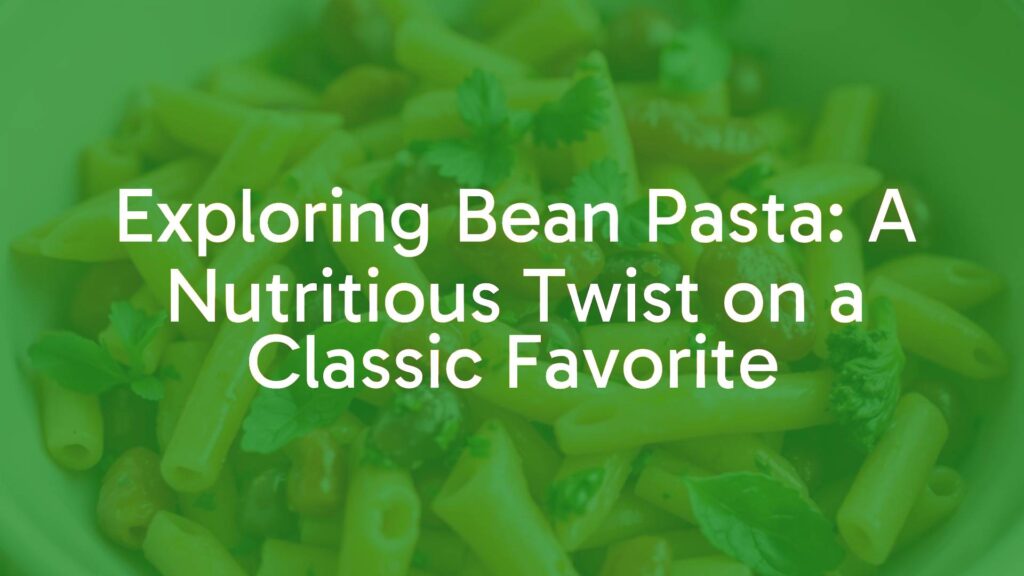
An Introduction to Bean Pasta
Bean pasta has surged in popularity as a nutritious and innovative alternative to traditional wheat-based pasta. Made primarily from beans such as chickpeas, black beans, lentils, or edamame, this pasta provides a unique option for those seeking plant-based, gluten-free, or protein-rich choices in their diet. Its growing appeal stems from its wholesome ingredients and compatibility with a wide variety of sauces and preparations.
Understanding What Makes Bean Pasta Unique
At its core, bean pasta is crafted from ground beans that are milled into flour and then formed into familiar pasta shapes like penne, fusilli, or spaghetti. Unlike wheat pasta, the main ingredient is entirely legume-based, with some varieties containing only beans and water. The result is a dense, chewy texture and a subtly earthy flavor that stands apart from traditional pastas.
Distinct Qualities and Usage in Cooking
Bean pasta is prized for its hearty bite and ability to hold up well to robust sauces. Its natural flavor pairs especially well with vegetable-forward sauces, herby pestos, and protein-rich additions. Because of its high fiber and protein content, it is satisfying in both hot dishes and cold salads. Bean pastas are also less likely to become mushy, making them suitable for baking in casseroles or reheating as leftovers.
The Roots and Evolution of Bean Pasta
While traditional Italian pasta dates back centuries, bean pasta is a more recent innovation, rising in response to dietary trends and health-conscious consumers. The concept of using beans as a staple is not new, however, as legumes have been integral to Mediterranean and Middle Eastern diets. Modern bean pastas draw on this heritage, blending nutrition with convenience and global flavors. Today, they are produced and enjoyed worldwide, crossing cultural and culinary boundaries.
Ideas for Pairing and Personalizing Bean Pasta Dishes
This versatile pasta invites experimentation. Try pairing it with sautéed seasonal vegetables and a splash of olive oil for a simple meal, or toss it with a zesty tomato sauce and fresh herbs. Pesto, garlic-lemon dressings, or spicy arrabbiata also complement its earthy notes. Add roasted chickpeas or a sprinkle of nutritional yeast for extra texture and flavor, and don’t shy away from incorporating grilled meats or plant-based proteins to round out the dish.
Preparation and Storage Recommendations
To achieve optimal texture, cook bean pasta according to package instructions, typically for a slightly shorter time than wheat pasta to prevent overcooking. Stir periodically and test for doneness—al dente is ideal for most applications. After cooking, toss with a bit of oil to reduce sticking. Store any leftovers in an airtight container in the refrigerator for up to three days. When reheating, add a splash of water or broth to help preserve moisture and texture.
Health Highlights and Dietary Insights
Bean pasta is widely celebrated for its nutritional benefits. High in plant-based protein and dietary fiber, it is particularly suitable for vegetarians, vegans, and anyone seeking a nutrient-dense alternative to regular pasta. Additionally, it is naturally gluten-free when made solely from beans, making it safe for those with gluten intolerance or celiac disease. Bean pasta tends to be lower in carbohydrates than standard pasta, supporting a variety of dietary goals.
Bean Pasta: A Modern Classic for Health-Conscious Food Lovers
The popularity of bean pasta continues to rise as people discover its impressive health properties, hearty flavor, and culinary flexibility. Whether used as a staple in quick weeknight meals, batch-cooked for meal prep, or featured in festive gatherings, bean pasta is a testament to the delicious possibilities of reinventing tradition for modern palates.
