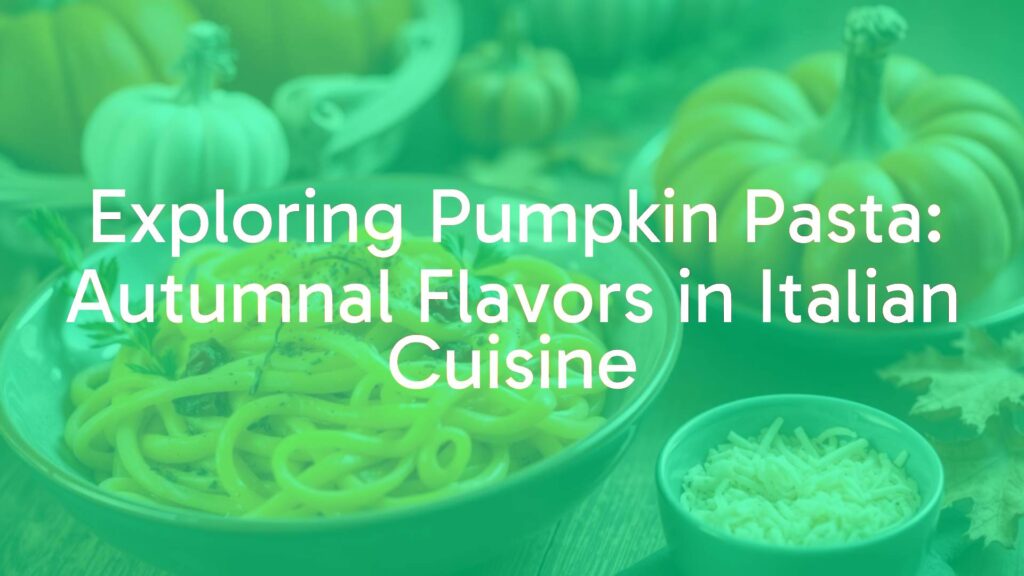
Introduction to Pumpkin Pasta
Pumpkin pasta is a delightful dish that captures the essence of autumn with its creamy texture and gentle sweetness. Cherished by both home cooks and professional chefs, this pasta variation showcases how seasonal ingredients can elevate traditional Italian fare. Its unique flavor and inviting color make pumpkin pasta a standout choice for festive gatherings or cozy dinners.
What Defines Pumpkin Pasta?
Pumpkin pasta generally refers to recipes where pumpkin plays a starring role—either as part of the sauce, filling, or sometimes even within the dough itself. The most common form is a silky pumpkin-based sauce coating classic pasta shapes such as fettuccine, penne, or rigatoni. Some variations use pumpkin purée mixed with cheese and spices to stuff ravioli or tortellini, offering a surprising sweetness balanced with savory notes.
Key Characteristics and Culinary Use of Pumpkin Pasta
The hallmark of pumpkin pasta is its velvety, rich texture and a slightly sweet, earthy flavor. When used as a sauce, pumpkin creates a creamy, cohesive coating that pairs exceptionally well with short pastas and filled shapes. Its mild profile acts as a canvas for a wide array of aromatics—sage, nutmeg, garlic, and Parmesan are frequent partners. Pumpkin’s ability to absorb and enhance these flavors makes it suitable for both light lunches and more decadent baked dishes.
Origins and Cultural Significance of Pumpkin Pasta
The tradition of marrying pumpkin and pasta traces its roots to Northern Italy, particularly in regions like Emilia-Romagna and Lombardy. Pumpkin-stuffed pasta, such as tortelli di zucca, is a specialty during the autumn harvest, reflecting the local use of pumpkins since the Renaissance. Today, pumpkin pasta symbolizes the celebration of fall, blending rustic Italian techniques with modern creativity across kitchens worldwide.
Pairing and Customization Ideas for Pumpkin Pasta
This pasta welcomes a wide range of accompaniments and enhancements. For a classic touch, pair pumpkin sauce with crispy sage, brown butter, and toasted walnuts. Add a spicy kick with red pepper flakes, or a hint of smokiness with pancetta or sausage. Cheese lovers can grate Pecorino Romano or Parmesan on top, while vegetarians might toss in sautéed mushrooms or roasted Brussels sprouts for extra depth and texture. Pumpkin pasta also partners beautifully with fresh herbs, such as thyme and parsley, offering a lighter, fragrant finish.
Tips for Preparing and Storing Pumpkin Pasta
To achieve the perfect consistency, cook pasta until just al dente so it maintains structure when combined with creamy pumpkin sauces. If using purée, ensure it is smooth and well-cooked to avoid graininess. When storing leftovers, keep pumpkin pasta in an airtight container in the refrigerator for up to three days. For reheating, add a splash of broth or cream to revive the sauce’s silkiness, stirring gently over low heat to prevent separation.
Nutritional Aspects and Dietary Considerations of Pumpkin Pasta
Pumpkin is naturally low in calories and rich in vitamins A and C, fiber, and antioxidants. When integrated into pasta dishes, it lends nutritional benefits such as added fiber and a dose of micronutrients. To accommodate various diets, use whole-wheat, gluten-free, or legume-based pasta. Avoiding cream-based sauces lowers calorie content, while vegan versions replace dairy with plant-based creams or nutritional yeast for a lighter alternative without sacrificing flavor.
Conclusion: The Versatility and Enduring Appeal of Pumpkin Pasta
Pumpkin pasta embodies the spirit of seasonal Italian cooking—versatile, nourishing, and rich in flavor. Its comforting profile, ease of customization, and connection to tradition ensure its enduring popularity in kitchens around the globe. Whether as a simple weeknight meal or a festive centerpiece, pumpkin pasta brings warmth and creativity to the table year after year.
