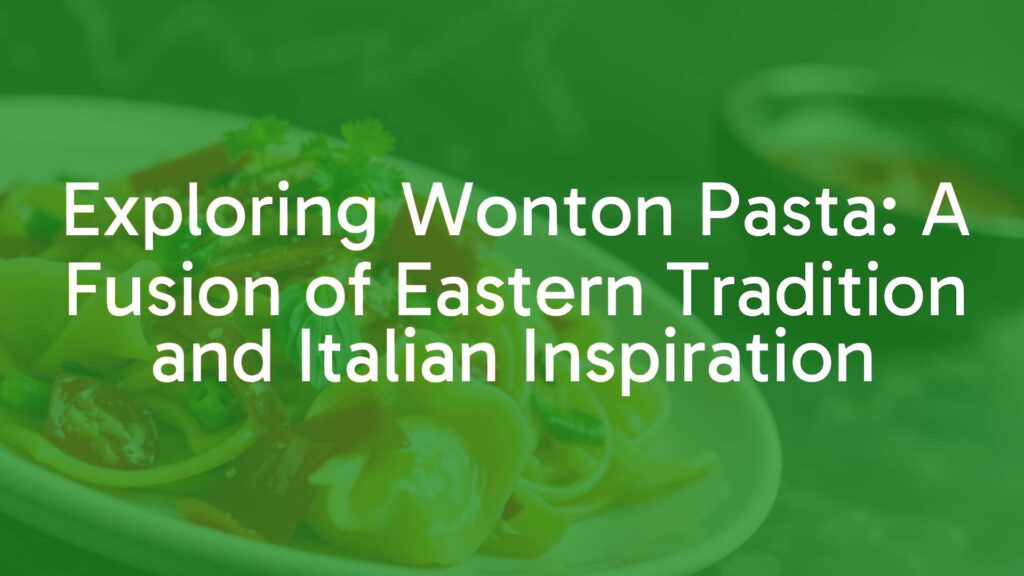
Introduction to Wonton Pasta
Wonton pasta, a modern culinary twist, brings together the delicate craftsmanship of Chinese wonton wrappers and the creativity of Italian pasta dishes. Rising in popularity among home cooks and fusion cuisine chefs alike, wonton pasta captures the imagination with its versatility, silky texture, and ability to adapt to a wide range of flavors. Whether used as a quick substitute for fresh pasta sheets or creatively shaped into stuffed parcels reminiscent of classic Italian ravioli, wonton pasta offers a tempting blend of convenience and sophistication.
What Makes Wonton Pasta Unique?
At its core, wonton pasta utilizes thin wheat-flour wrappers, traditionally associated with Chinese dumplings, in place of conventional Italian pasta dough. These wrappers are typically made of flour, water, egg, and a pinch of salt, resulting in a light, pliable sheet that is easy to work with. Unlike Italian pasta, which often comes in dried or fresh formats with varying thicknesses, wonton wrappers are uniformly thin, making them ideal for quick-cooking applications and stuffed preparations.
Culinary Attributes and Uses of Wonton Pasta
Wonton pasta stands out due to its ultra-thin, supple texture, which becomes silky and slightly chewy when boiled. This quality makes it especially suited for filled pasta recipes, such as tortellini, agnolotti, and even lasagna sheets. The wrappers absorb flavors from accompanying sauces effortlessly, making them a preferred choice for delicate broths or robust cream-based sauces. Their versatility shines in soups, baked dishes, and sautéed pasta creations, providing endless culinary possibilities.
Historical Background and Cross-Cultural Importance
The innovation of wonton pasta is rooted in both necessity and creativity, emerging from Asian-Italian fusion kitchens where cooks sought convenient alternatives to hand-rolled pasta dough. Wonton wrappers, long a staple of Chinese dim sum, found their way into Italian-inspired kitchens, acting as a bridge between two rich culinary traditions. This fusion has led to playful interpretations of classic dishes, underscoring the evolving nature of global cuisine.
Suggested Pairings and Creative Adaptations
Wonton pasta offers endless pairing opportunities. For a traditional Italian flair, fill the wrappers with ricotta and spinach, then serve with sage-infused butter. Asian-influenced fillings such as ginger pork or shrimp, complemented by a light soy or sesame sauce, showcase its versatility. It also performs beautifully in baked casseroles layered with tomato or béchamel sauce. Consider using wonton pasta sheets to create open-faced ravioli, mini lasagnas, or pasta chips for a unique presentation.
Preparation Guidance and Storage Tips
To cook wonton pasta to perfection, briefly boil the filled or layered wrappers in salted water until they float—usually just a minute or two. Avoid overcooking, as the delicate dough can become fragile. Leftover cooked wonton pasta should be stored in an airtight container in the refrigerator and gently reheated with a splash of water to revive its tender texture. Unused wrappers, meanwhile, should remain refrigerated and tightly sealed to maintain their pliability.
Nutritional Highlights and Dietary Notes
Wonton pasta is typically lower in fat and offers a modest amount of protein, primarily derived from wheat and, if present, egg. It contains carbohydrates on par with regular pasta, but its thinness often means smaller portion sizes per serving. For those seeking gluten-free options, alternative wrappers made from rice flour are sometimes available. Its adaptability makes wonton pasta suitable for vegetarian and omnivore diets, depending on the fillings and sauces used.
The Timeless Allure of Wonton Pasta
The enduring appeal of wonton pasta lies in its seamless fusion of simplicity and elegance. Its origins in both Eastern and Western culinary traditions make it a canvas for invention in the kitchen. From hearty baked pasta to delicate stuffed morsels, wonton pasta proves that global cuisine can be more than the sum of its parts, inviting experimentation while honoring tradition. Whether enjoyed in a comforting soup or a sophisticated entrée, wonton pasta is a testament to the creative spirit of modern cooking.
