Exploring Quinoa Pasta: A Modern Twist on Tradition
Quinoa pasta stands out in the world of noodles as a compelling choice for those seeking both nutrition and an alternative to wheat-based varieties. With a unique texture and wholesome appeal, quinoa pasta is gaining popularity among health enthusiasts and adventurous cooks alike.
Understanding the Essence of Quinoa Pasta
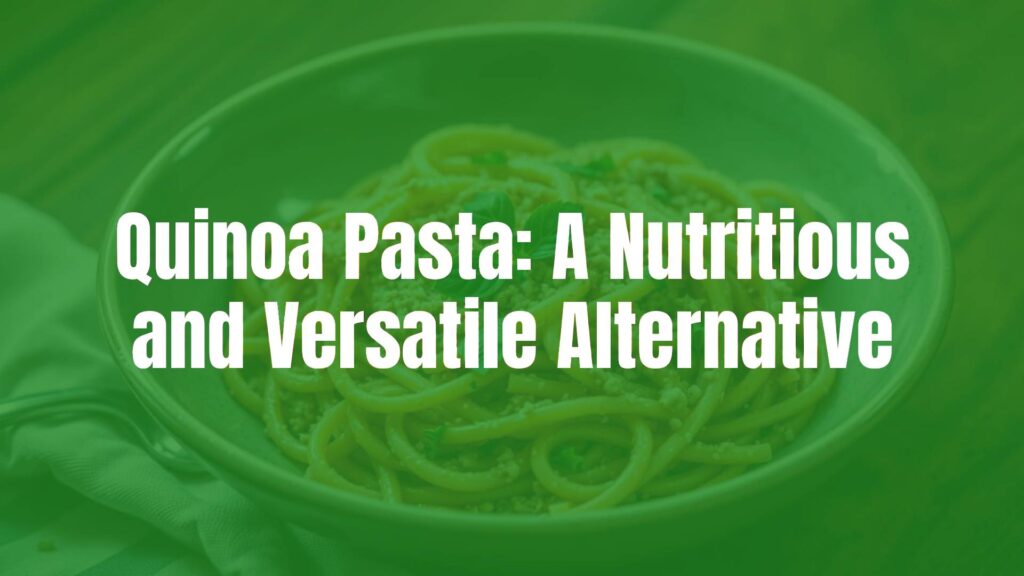
This innovative pasta is primarily made using quinoa flour, sometimes blended with other grains or starches for improved texture and cooking stability. Quinoa itself is a seed rich in protein and nutrients, which sets this pasta apart from conventional options. Whether shaped as spaghetti, penne, or fusilli, quinoa pasta retains a slightly nutty flavor and a pleasing bite.
Characteristics and Favorite Culinary Uses
One of the key appeals of quinoa pasta is its sturdy, chewy texture that holds up well in a variety of dishes. Unlike some gluten-free pastas, quinoa-based noodles generally maintain their shape after cooking, making them suitable for hot entrées, cold salads, or even baked casseroles. Their subtle earthy undertone pairs beautifully with both simple and robust sauces, offering versatility for everyday meals or special occasions.
The Story and Cultural Relevance
While traditional pasta is deeply rooted in Italian culinary culture, quinoa pasta represents a fusion of ancient grains and contemporary dietary trends. Quinoa originated in the Andean region of South America and has been cultivated for thousands of years. Its nutritional value and adaptability have propelled it onto the global stage, where it now finds expression in modern pasta production, catering to gluten-free and plant-based diets.
Pairing Inspirations and Creative Adaptations
Quinoa pasta works harmoniously with a range of flavors. Pair it with Mediterranean vegetables, tomato-based sauces, or a drizzle of olive oil and herbs for a fresh take. It also absorbs the flavors of creamy sauces exceptionally well and can be tossed with roasted garlic, grilled chicken, or hearty legumes. For extra color and nutrients, combine with spinach, sun-dried tomatoes, or artichoke hearts. Garnishing with fresh basil or a sprinkle of nutritional yeast amplifies its appeal, especially for vegan dishes.
Optimal Preparation and Storage Practices
To enjoy the best texture, cook quinoa pasta in plenty of boiling salted water and test for doneness a minute or two before the package instructions suggest—overcooking can lead to mushiness. Rinse briefly after draining to remove excess starch and prevent sticking. Store leftover cooked pasta in an airtight container in the refrigerator for up to three days, and warm gently to preserve its consistency. Freezing is generally not recommended, as it can alter the pasta’s integrity.
Nutrition and Dietary Suitability
Quinoa pasta boasts higher protein and fiber content compared to many traditional pastas, thanks to the quinoa seed’s natural abundance of essential amino acids. It’s a gluten-free option suitable for those with celiac disease or gluten sensitivity. Additionally, it contains valuable minerals such as magnesium and iron. While it is rich in carbohydrates like most pastas, its higher protein and fiber levels may support satiety and balanced energy levels, fitting well into vegan, vegetarian, and general wellness-focused diets.
Summary: Embracing the Versatility of Quinoa Pasta
Quinoa pasta epitomizes the evolution of noodle culture, combining nourishment, flavor, and adaptability. Its ability to absorb diverse sauces and blend seamlessly in a variety of culinary contexts secures its place in kitchens worldwide. Whether you’re seeking a gluten-free solution or simply wish to expand your pasta repertoire, quinoa pasta is a delicious and enduring choice worth exploring.
